


Vbeam vs RevLite Laser: Why Vbeam Reigns Supreme for Skin Rejuvenation
Vbeam and RevLite both treat skin concerns with laser energy, but their mechanisms, ideal candidates, and results differ significantly—here is what you need to know before choosing.

Key Takeaways
- ✓ Vbeam's 595 nm pulsed dye technology selectively targets blood vessels and pigment while leaving surrounding tissue intact, making it highly precise for vascular and tone concerns
- ✓ RevLite's Q-switched Nd:YAG energy penetrates deeper into the dermis, offering effective pigment fragmentation and tattoo fading for darker or more stubborn lesions
- ✓ Both treatments are non-ablative, meaning the skin surface is preserved and typical downtime is minimal—usually limited to mild redness or swelling for one to three days
- ✓ Combining Vbeam and RevLite in a physician-designed protocol can address a broader range of concerns—vascular, pigment, and texture—than either device alone
- ✓ Choosing a physician-led clinic, such as ID Cosmetic Clinic under Dr. Dan Xu in Markham and Toronto, ensures proper assessment, safe parameters, and a treatment plan matched to your skin type and goals
Direct Answer
Vbeam is a pulsed dye laser (PDL) emitting 595 nm wavelength light, manufactured by Syneron-Candela and widely used in medical aesthetics for vascular concerns, redness, and collagen stimulation. RevLite is a Q-switched Nd:YAG laser by Cynosure, indicated for pigmentation and tattoo removal. Vbeam is better suited for rosacea, spider veins, and overall skin tone, while RevLite targets deeper pigment. Both are available at ID Cosmetic Clinic in Markham and Toronto, performed personally by Dr. Dan Xu, M.D., CCFP. Most patients see meaningful improvement in 3–5 sessions spaced four to six weeks apart.
Compare RevLite Laser and Vbeam—discover why Vbeam laser is the superior choice for reversing signs of aging, reducing pigmentation, and improving skin tone with minimal downtime.
Vbeam vs RevLite Laser: The Clear Winner for Youthful Skin
When comparing RevLite Laser and Vbeam Laser, Vbeam consistently outperforms RevLite in delivering superior skin rejuvenation. Vbeam’s pulsed dye laser technology excels in reversing signs of aging, reducing pigmentation, and improving overall skin tone—making it the smarter choice for those seeking visible, lasting results.
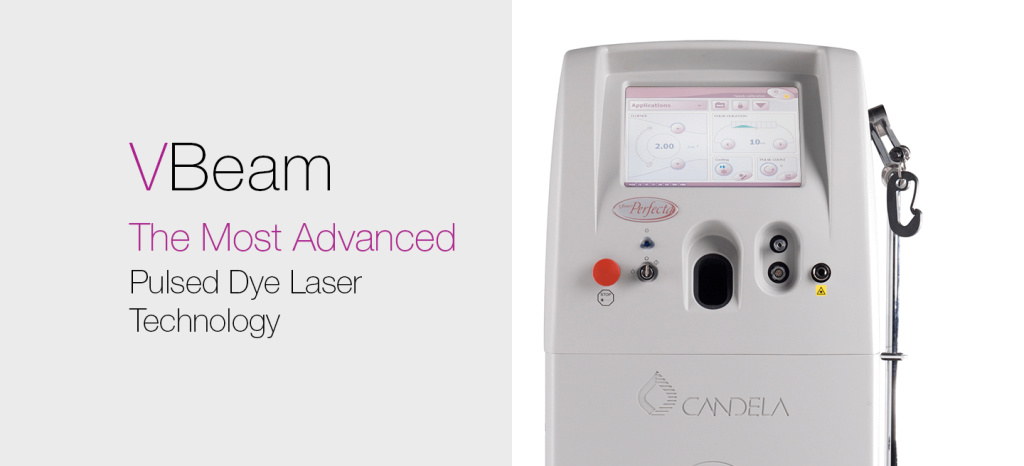
What Is RevLite Laser?
RevLite laser, a Q‑switched Nd:YAG laser, is a cutting-edge non-ablative procedure that delivers both photothermal and photoacoustic energy deep into the skin without harming the surface. Originally developed as an advanced variant of Q‑switched Nd:YAG lasers, RevLite combines decades of proven results in facial resurfacing and pigment removal .
What Is Vbeam Laser?
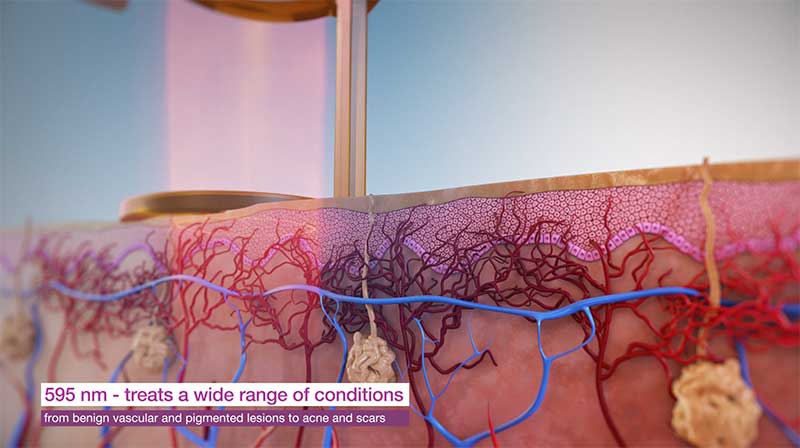
Vbeam is a pulsed dye laser (PDL) that targets vascular imperfections and pigmentation by delivering pulses of 595 nm light. It gently breaks down blood vessels and pigmented lesions while stimulating collagen remodeling—offering powerful rejuvenating effects without harming the skin’s surface.
How Vbeam Laser Outshines RevLite Laser
| Feature | RevLite Laser (Q‑switched Nd:YAG) | Vbeam Laser (Pulsed Dye Laser) |
|---|---|---|
| Targeted Concerns | Pigmentation, tattoos, some texture | Vascular issues (rosacea, spider veins), pigmentation, redness, collagen stimulation |
| Stimulates Collagen | Mild photoacoustic effect | Stronger thermal effect triggers deeper collagen remodeling |
| Skin Tone & Redness | Moderate improvement | Exceptional at reducing redness and erythema |
| Comfort & Downtime | Mild warmth, minimal downtime | Similar comfort; most commonly minimal downtime |
| Broad Skin Benefits | Good for freckles, melasma, tattoos | Excellent for vascular lesions, pigmentation, tone, scar healing |
Vbeam laser delivers precise thermal heat that breaks down blood vessels and pigmented cells while promoting collagen formation, offering comprehensive improvement in skin smoothness and coloration.
In contrast, RevLite laser primarily targets pigment particles via nanosecond pulses—helping pigmentation and tattoo removal but with less impact on redness, vascular concerns, or deeper signs of aging.
Benefits of Vbeam Laser Treatment
1. Superior Collagen Rejuvenation
Vbeam’s thermal pulses stimulate fibroblasts in the dermis, boosting collagen production more effectively than RevLite.
2. Outstanding Redness & Vascular Repair
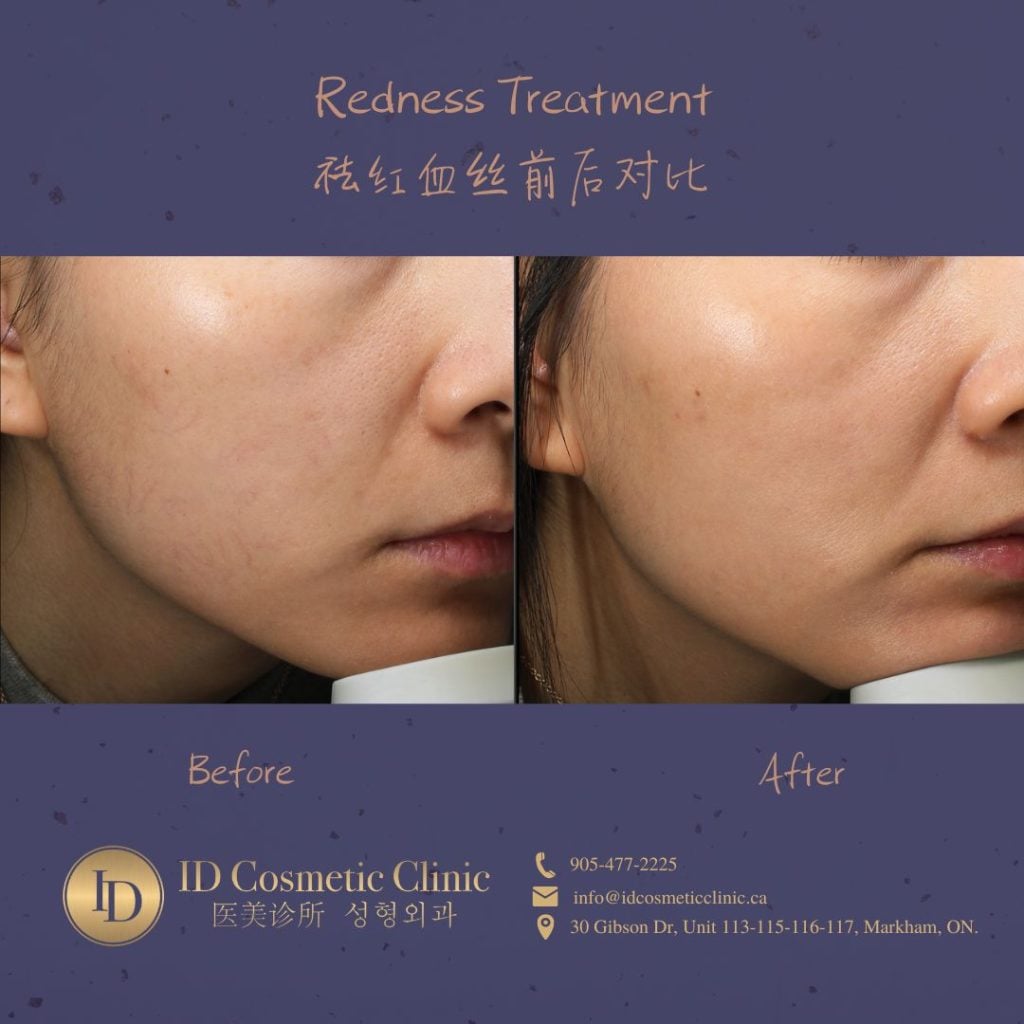
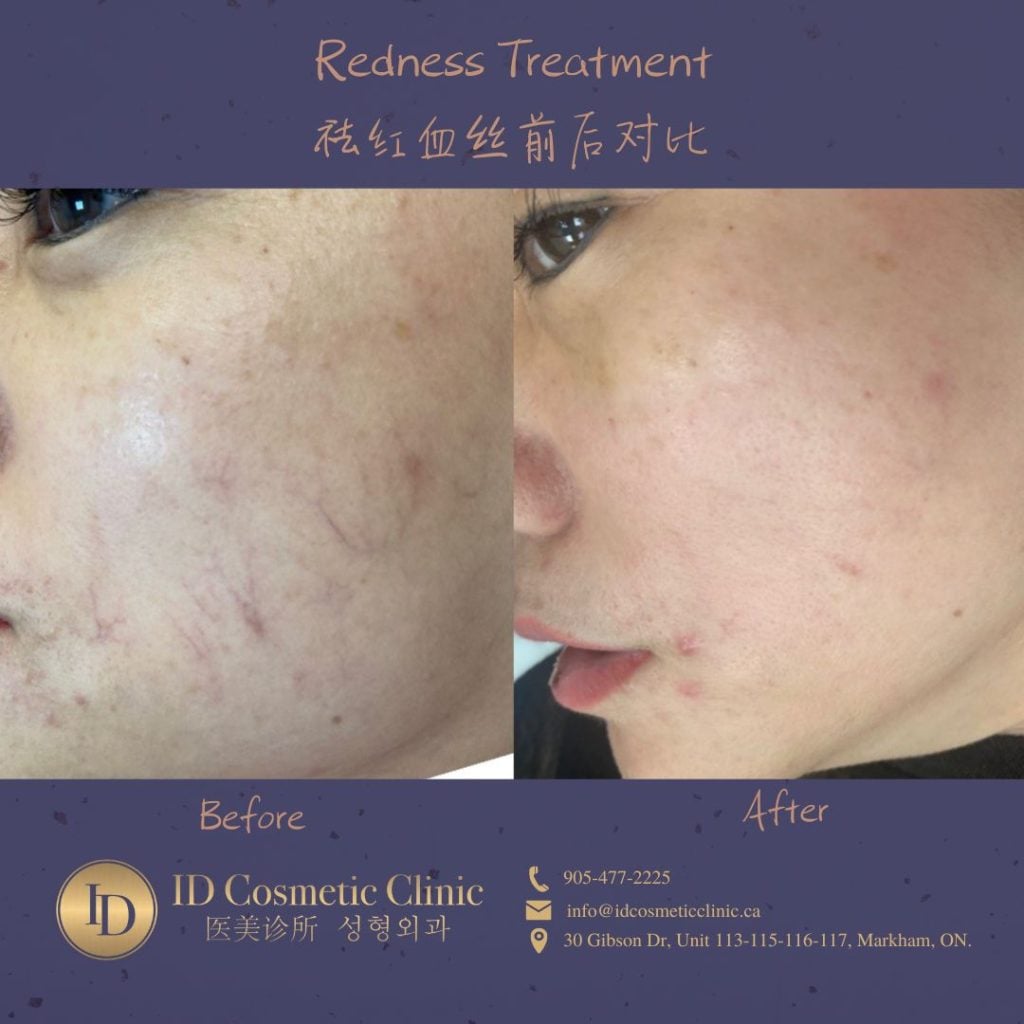
It’s highly effective for rosacea, broken capillaries, and spider veins—areas where RevLite shows limited results.
3. Pigmentation & Tone Refinement
Vbeam tackles both vascular and epidermal pigmentation issues, delivering clearer, more uniform skin tone than RevLite.
4. Minimal Downtime, High Comfort
Patients typically report only a mild warming sensation, with little to no visible recovery time—making Vbeam as convenient as RevLite, but with more benefits.
Who Should Choose Vbeam Laser?
Ideal candidates include those dealing with:
Persistent redness or rosacea
Visible capillaries or spider veins
Age spots, sun-induced pigmentation
Fine lines, uneven texture, and early signs of aging
Post-acne redness or vascular scarring
Vbeam is safe for all Fitzpatrick skin types and suitable across face, neck, chest, and hands. Non-smokers in good health, committed to post-care sun protection, tend to see the best results.
Treatment Plan & Aftercare
Recommended sessions: 3–6 treatments spaced 4 weeks apart
Procedure sensation: Warm thumping or mild snapping; topical numbing optional
Post-care essentials:
Apply sunscreen diligently (SPF 30+ daily)
Avoid direct sunlight for 2 weeks
Gentle moisturizer and cleanse daily
You’ll notice progressive reduction in redness, pigmentation, and fine lines—leading to brighter, smoother, more youthful skin.
Watch the video and see Toronto ID Cosmetic Clinic|Vbeam:
For more videos, please visit our Youtube Channel: https://www.youtube.com/@IDCosmeticClinic
Vbeam vs RevLite: Final Verdict
While RevLite Laser does a respectable job targeting pigmentation, Vbeam Laser offers a more powerful and versatile approach—addressing vascular issues, redness, pigmentation, fine lines, and overall skin health with greater efficacy and no added downtime.
Book a Consultation
If you’re looking for more information about Vbeam in Toronto, and want to book a Vbeam laser treatment, please feel free to contact us:
 Toronto ID Cosmetic Clinic: Unit 113-115-116-117, 30 Gibson Dr. Markham, ON L3R 2S3
 Book by phone | Free consultation: (905)-477-2225
Related Articles
Unlock Clear Skin: The Ultimate Vbeam Laser Guide
Alma Titanium Lifting: High-End Tri‑Wavelength Laser Face Lift in Toronto
About Dr.Xu
- Dr. Xu Dan, chief physician at ID Aesthetic Medicine, possesses a Canadian Medical Doctorate.
- In-depth knowledge of North American aesthetics and Asian facial intricacies.
- By integrating Eastern and Western aesthetics, she expertly crafts ideal facial features for Asians.
- She boasts over 80,000 treatment areas.
- Dr. Xu has innovated a technique using injections for eye and face lifts, targeting the Asian facial profile.
- Tailored solutions for your skin, emphasizing the medical core of aesthetic medicine.
- As an experienced Chinese doctor, she personally conducts procedures.
- Bilingual consultations are available on-site, ensuring safe treatments.
- Free consultation appointments are offered.
Frequently Asked Questions
Frequently Asked Questions
How much does Vbeam or RevLite laser cost in Toronto?
How does Vbeam laser actually work on skin?
Does Vbeam laser hurt? What does the treatment feel like?
How long do Vbeam results last compared to RevLite?
How long does it take to see results from Vbeam or RevLite?
How often should I get Vbeam or RevLite treatments, and is maintenance needed?
Is Vbeam laser authorized for sale by Health Canada? Is it available in Ontario?
Can Vbeam and RevLite be combined with other aesthetic treatments?
What are the real risks and serious side effects of Vbeam and RevLite laser?
What is the difference between Vbeam and IPL (intense pulsed light) for redness and skin tone?
Next Step
Ready to Take the First Step?
Laxity, wrinkles and facial sagging have different root causes — one physician-led consultation identifies the true problem layer before deciding which plan fits you best.

