


Is Ultherapy Safe? Understanding Ultherapy Risks and Side Effects
Before booking your first session, here is what the clinical evidence actually says about Ultherapy's safety profile and realistic side effects.

Key Takeaways
- ✓ Ultherapy uses focused ultrasound energy—the same foundational technology employed in medical imaging for decades—making its safety profile well-documented compared with newer modalities
- ✓ Because no incisions, needles, or general anesthesia are involved, the risk of infection, scarring, or systemic side effects is substantially lower than with surgical lifting procedures
- ✓ Real-time ultrasound imaging during treatment allows the provider to visualize tissue layers and avoid sensitive structures, directly reducing the chance of unintended energy delivery
- ✓ Most reported side effects—redness, mild swelling, and temporary tenderness—are transient and typically resolve within hours to a few days without intervention
- ✓ Physician-led assessment before treatment identifies contraindications early, ensuring that only suitable candidates proceed, which is standard practice at ID Cosmetic Clinic under Dr. Dan Xu
Direct Answer
Ultherapy is a non-invasive, FDA-cleared and Health Canada–authorized focused ultrasound device used to lift and tighten skin on the face, neck, and décolletage by stimulating collagen production at targeted tissue depths. It is appropriate for adults experiencing mild-to-moderate skin laxity who prefer a non-surgical option. The handpiece delivers micro-focused ultrasound energy below the skin surface without incisions or injectables. For patients in Markham and Toronto, Ultherapy is available at ID Cosmetic Clinic, where treatments are performed personally by Dr. Dan Xu, M.D. CCFP. A typical plan involves one to two sessions, with collagen remodelling results visible gradually over three to six months.
Is Ultherapy Safe? Understanding Ultherapy Risks and Side Effects
With the rising popularity of non-invasive cosmetic treatments, many individuals are asking an important question: how safe is Ultherapy, and are there any Ultherapy risks to be concerned about?
The reassuring news is that while Ultherapy is a relatively modern cosmetic innovation, the technology behind it—focused ultrasound energy—has been used safely in medical settings for over five decades. The procedure stimulates collagen production without the need for surgery, chemicals, or extensive downtime, making it one of the safest choices in the field of non-surgical cosmetic procedures.

Why Ultherapy Is Considered a Safe Cosmetic Procedure
When performed by a certified and experienced medical professional, Ultherapy treatment is not only effective but also extremely safe. The key to reducing Ultherapy risks lies in choosing a qualified provider with expertise in ultrasound-based skin rejuvenation.
During an Ultherapy session, an ultrasound probe targets specific areas of the face and neck—such as the jowls, cheeks, and upper lip. The device delivers a low dose of high-frequency ultrasound energy to these areas, heating the tissue and naturally triggering collagen regeneration beneath the skin. This approach promotes skin tightening and lifting without invasive methods like injections or surgical incisions.
Because the process is entirely non-invasive, there’s no need for general anesthesia, stitches, or recovery time. Most patients can return to their daily routines immediately after the session.

Although Ultherapy risks are minimal, it’s important to understand that, like any cosmetic procedure, side effects—though rare—are possible. Fortunately, both Health Canada and the U.S. Food and Drug Administration (FDA) have approved Ultherapy after rigorous testing and safety trials. These certifications confirm that the procedure meets strict standards for both safety and effectiveness.
Most reported Ultherapy side effects are mild and short-lived. Common symptoms include:
- Slight redness or swelling in the treated area
- Temporary bruising
- Mild tingling or numbness
- Reduced sensitivity lasting a few hours
These effects are generally well-tolerated by patients and resolve on their own within a few days. Serious complications are extremely rare, particularly when the treatment is performed by a trained expert.
Minimizing Risks with a Certified Provider
To further reduce any risks of Ultherapy, it is crucial to work with a qualified cosmetic professional who specializes in non-surgical procedures and has a proven track record of successful Ultherapy treatments. A proper consultation allows the provider to tailor the procedure to your specific goals and health history, which can significantly improve outcomes and minimize any unwanted side effects.
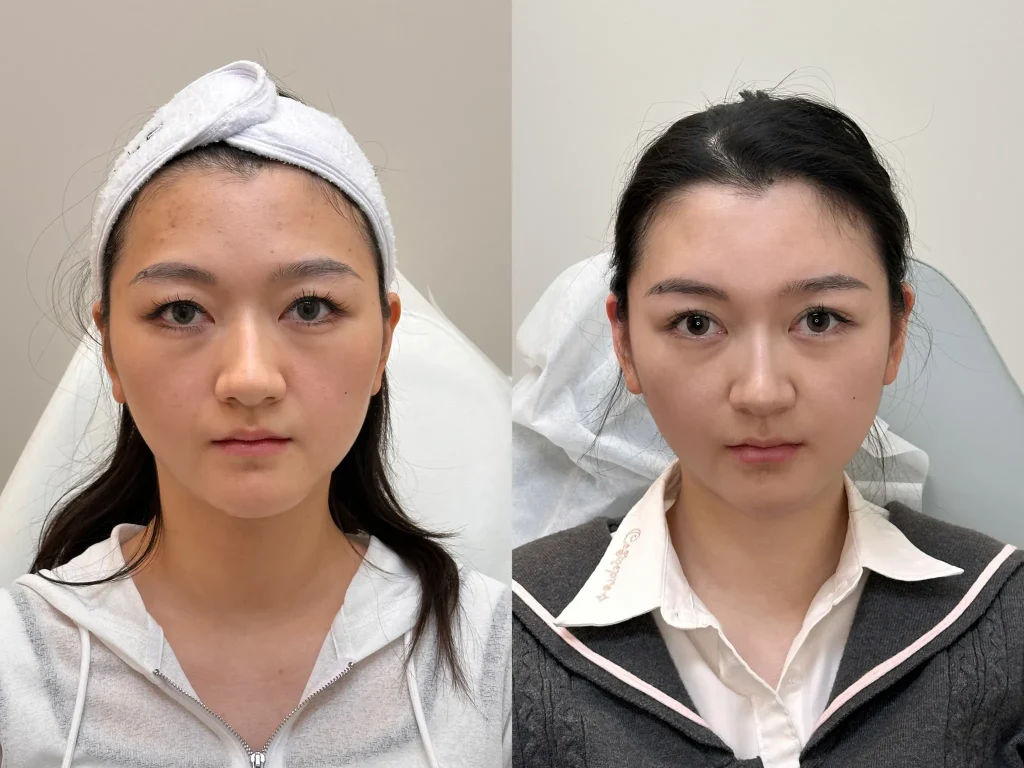

https://youtu.be/KHHPBfQeOek?si=P5odOrNBx38lj80l
For more videos, please visit our Youtube Channel: https://www.youtube.com/@IDCosmeticClinic
Book a Consultation
If you’re looking for more information about Ultherapy Treatment in Toronto or want to book a treatment session for Ultherapy, feel free to contact us:
 Toronto ID Cosmetic Clinic: Unit 113-115-116-117, 30 Gibson Dr. Markham, ON L3R 2S3
 Book by phone | Free consultation: (905)-477-2225
Related Articles
Does Ultherapy Work? Benefits, Results & What to Expect
Thermage Toronto: The Complete Guide to Non-Surgical Skin Tightening
Unlocking the Power of Thermage Therapy
About Dr.Xu
- Dr. Xu Dan, chief physician at ID Aesthetic Medicine, possesses a Canadian Medical Doctorate.
- In-depth knowledge of North American aesthetics and Asian facial intricacies.
- By integrating Eastern and Western aesthetics, she expertly crafts ideal facial features for Asians.
- She boasts over 80,000 treatment areas.
- Dr. Xu has innovated a technique using injections for eye and face lifts, targeting the Asian facial profile.
- Tailored solutions for your skin, emphasizing the medical core of aesthetic medicine.
- As an experienced Chinese doctor, she personally conducts procedures.
- Bilingual consultations are available on-site, ensuring safe treatments.
- Free consultation appointments are offered.
Comparing your options? Start from radiofrequency skin tightening — it sets out the platforms held at ID Cosmetic Clinic and how one is chosen over another.
Frequently Asked Questions
Frequently Asked Questions
How much does Ultherapy cost in Toronto?
How does Ultherapy actually work under the skin?
Does Ultherapy hurt? What does the treatment feel like?
How long do Ultherapy results last?
How soon will I see results after Ultherapy?
How often should Ultherapy be repeated for maintenance?
Is Ultherapy authorized for sale by Health Canada? Is it available in my area?
Can Ultherapy be combined with other cosmetic treatments like filler or Botox?
What are the serious risks and side effects of Ultherapy?
What is the difference between Ultherapy and Thermage?
Next Step
Ready to Take the First Step?
Laxity, wrinkles and facial sagging have different root causes — one physician-led consultation identifies the true problem layer before deciding which plan fits you best.
