


Transform Your Calves: Unveiling the Secrets to Cosmetic Treatments for a Slimmer Look
From stubborn genetics to lifestyle factors, discover which non-surgical and surgical calf-slimming treatments are clinically available — and how to choose the right one for your body.

Key Takeaways
- ✓ Non-surgical options like neuromodulator injections and CoolSculpting can visibly reduce calf bulk without the downtime of surgery
- ✓ Botulinum toxin injections work by relaxing the gastrocnemius muscle, gradually decreasing its size over several weeks
- ✓ CoolSculpting targets localized fat pockets in the lower leg through controlled cooling, leaving surrounding tissue unharmed
- ✓ Physician-led assessment is essential to determine whether your thick calves are caused by muscle hypertrophy, fat accumulation, or both — since treatment approaches differ
- ✓ Combining a personalized treatment plan with realistic expectations and lifestyle guidance helps maintain and optimize long-term results
Direct Answer
Calf-slimming treatments are medical aesthetic procedures designed to reduce the appearance of thick or bulky calves through either muscle relaxation or fat reduction. In Canada, neuromodulator (botulinum toxin) injections for calf slimming and CoolSculpting (cryolipolysis) for localized fat reduction are the two most clinically established non-surgical options; they are not permanent and require maintenance. They are best suited for adults bothered by disproportionately large calves due to muscle hypertrophy or excess fat. At ID Cosmetic Clinic in Markham and Toronto, these treatments are performed personally by Dr. Dan Xu, M.D. CCFP, a physician-led practitioner. Treatment plans typically involve 1–3 sessions with visible changes appearing over 4–12 weeks depending on the modality chosen.
Introduction
Are you constantly trying to hide your calves? Thick calves can be a source of discomfort and self-consciousness for many. In this comprehensive guide, we explore the causes, psychological impacts, and various cosmetic treatments available for thick calves. Whether it’s genetics or lifestyle, there’s a solution for everyone.
The Causes of Thick Calves
Genetic Factors
Your DNA could be the reason behind your calf size. We inherit traits like muscle and fat distribution from our parents, which can lead to naturally thicker calves.
Lifestyle and Diet
The food we eat and our daily activities significantly impact our body shape. High-calorie diets and sedentary lifestyles can contribute to larger calves.
Lack of Exercise
Regular exercise is crucial for muscle tone and fat distribution. Neglecting physical activity can lead to disproportionate calf size.
Psychological Impact of Thick Calves
Self-Esteem and Body Image
How we perceive our bodies affects our overall well-being. Thick calves can lead to negative self-image and lowered self-esteem.
Social Perceptions
Society often imposes unrealistic beauty standards. Thick calves can sometimes lead to unwarranted judgment or stereotypes.
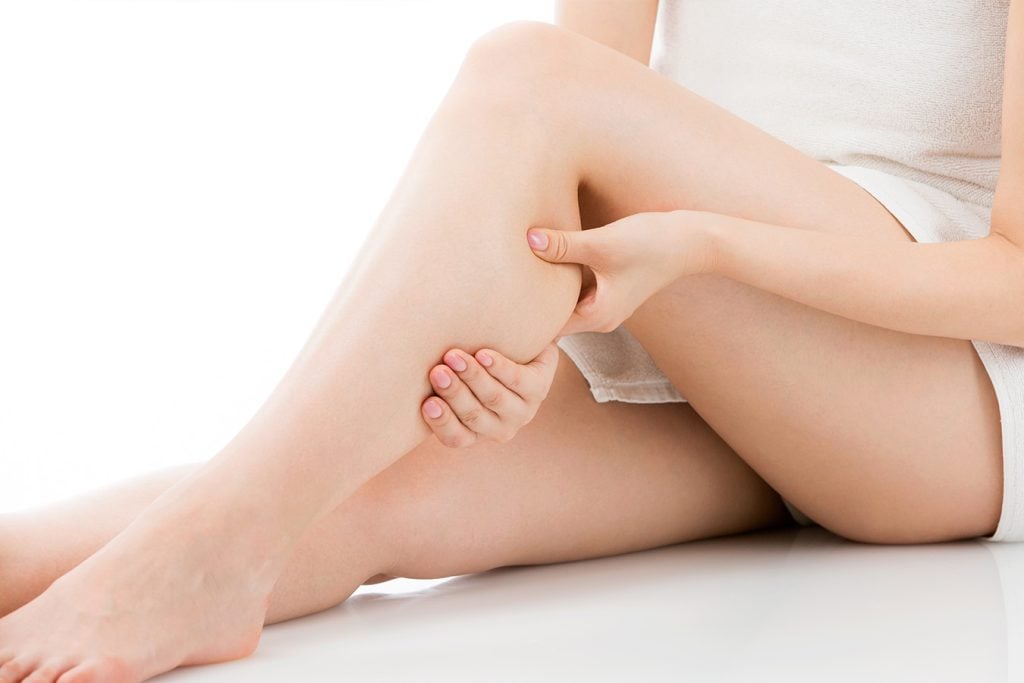
Surgical Treatments for Thick Calves
Calf Reduction Surgery
This procedure involves removing part of the calf muscle, resulting in slimmer calves. We discuss the procedure, risks, and recovery process.
Non-Surgical Treatments
CoolSculpting
A revolutionary way to reduce fat without surgery. We explore how CoolSculpting freezes and breaks down fat cells in the calves.
Laser Therapy
Laser treatments can tighten the skin and reduce fat. They are less invasive with minimal recovery time.
Radiofrequency Treatments
These treatments use radiofrequency energy to reduce fat and improve skin texture.
Liposuction
Liposuction can remove excess fat from the calves. It’s less invasive than calf reduction but still requires careful consideration.
Conclusion
Thick calves are a common concern, but with the right information and approach, they can be addressed safely and effectively. Whether you choose a surgical, non-surgical, or natural method, the most important thing is to make a decision that aligns with your health, comfort, and happiness.
Choose ID Cosmetic Clinic
- Dr. Xu Dan, chief physician at ID Aesthetic Medicine, possesses a Canadian Medical Doctorate.
- In-depth knowledge of North American aesthetics and Asian facial intricacies.
- By integrating Eastern and Western aesthetics, she expertly crafts ideal facial features for Asians.
- She boasts over 80,000 treatment areas.
- Dr. Xu has innovated a technique using injections for eye and face lifts, targeting the Asian facial profile.
- Tailored solutions for your skin, emphasizing the medical core of aesthetic medicine.
- As an experienced Chinese doctor, she personally conducts procedures.
- Bilingual consultations are available on-site, ensuring safe treatments.
- Free consultation appointments are offered.
Frequently Asked Questions
Frequently Asked Questions
How much do calf-slimming treatments cost in Toronto?
How does botulinum toxin actually slim the calves — what is the mechanism?
Do calf botulinum toxin injections hurt?
How long do calf-slimming results last?
How long does it take to see results from calf-slimming injections?
How often do you need maintenance treatments for calf slimming?
Is CoolSculpting authorized in Canada for calf fat reduction?
Can calf-slimming treatments be combined with other body or leg treatments?
What are the serious side effects or risks of calf botulinum toxin injections?
What is the difference between botulinum toxin calf injections and calf reduction surgery?
Next Step
Ready to Take the First Step?
Laxity, wrinkles and facial sagging have different root causes — one physician-led consultation identifies the true problem layer before deciding which plan fits you best.
Medical Trust
About the Medical Authority of This Article

About the Author
Dr. Xu earned her medical degree (with distinction) in China and her CCFP certification in Canada, with over 80,000 injection and energy device treatments across China, South Korea, and Canada. She specializes in Asian facial aesthetics, energy-based anti-aging, injectable contouring, and cosmetic medical restoration, and is the creator of the PSTD (Dao·Fa·Shu·Qi) systematic aesthetic framework.
Read full bio →Medical Disclaimer
This article is for educational and reference purposes only and cannot replace an in-person consultation, diagnosis or personalized treatment plan from a qualified physician. Skin condition, degree of laxity, medical history and treatment response vary from person to person — suitability, risks and expected outcomes should be assessed by a qualified medical aesthetic physician during a consultation. If you are considering treatment, please book a consultation with ID Cosmetic Clinic or a licensed medical provider in your area.
Last Updated ·

