


Is Titanium Lifting Really That Amazing? Understanding How It Works and Its Advantages
Titanium Lifting uses Israel Alma's triple-wavelength laser technology to penetrate from the dermis to the SMAS layer, promoting collagen regeneration and firming the contour with virtually no recovery period—ideal for pain-averse, fast-paced individuals.

Key Takeaways
- Titanium Lifting blends 755nm, 810nm and 1064nm triple-wavelength lasers, acting on both the dermis and the SMAS layer to address contour lifting and skin texture improvement at once.
- A sapphire contact cooling system runs throughout, keeping discomfort very low so that sensitive skin and pain-averse individuals can tolerate it, with a return to normal life the same day.
- Before treatment the physician evaluates subcutaneous fat and skin thickness with ultrasound imaging so energy parameters can be customized for different areas—a personalized plan is key to good results.
- The standard course is three sessions spaced 3–4 weeks apart, with visible contour improvement often noticeable after the first treatment; maintenance is suggested every 2–3 months.
- In the Markham/Toronto area, patients can visit ID Cosmetic Clinic for a professional assessment by Dr. Dan Xu (MD, CCFP) to learn whether Titanium Lifting suits their skin condition.
Direct Answer
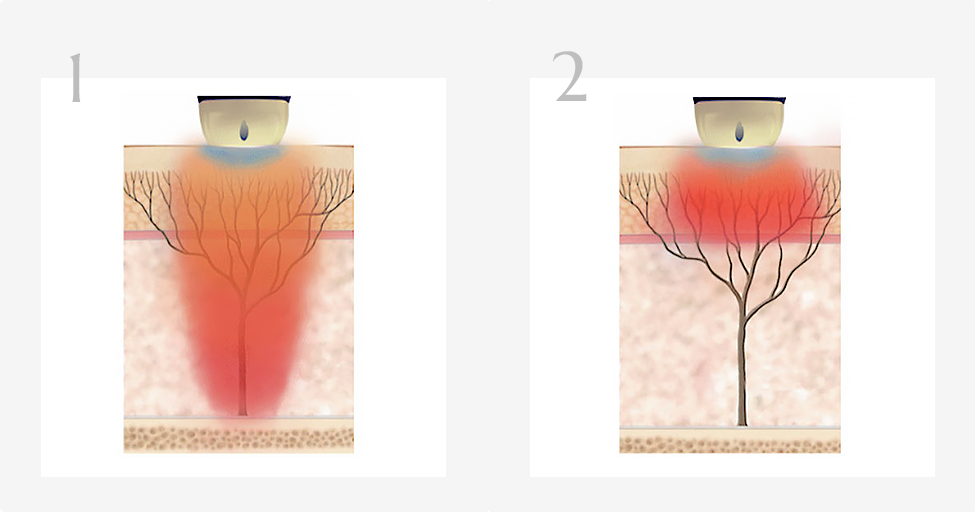
Titanium Lifting is a non-invasive facial lifting technology developed by Israel's Alma company, built around the Soprano Titanium device, which blends 755nm, 810nm and 1064nm triple-wavelength lasers to act simultaneously on the dermis and the SMAS (superficial musculoaponeurotic) layer. It uses two delivery modes: STACK mode (P1) reaches the SMAS layer to address facial sagging and nasolabial folds, while SHR mode (P2) acts on the dermis to tighten pores and improve fine lines and texture. A sapphire contact cooling system runs throughout, significantly reducing discomfort for a largely painless experience. At ID Cosmetic Clinic in Markham/Toronto, Titanium Lifting is provided under Dr. Dan Xu (MD, CCFP), who performs an ultrasound facial assessment beforehand to evaluate subcutaneous fat and skin thickness and to create a personalized plan. It suits those who want to improve facial contour and skin texture without surgery and without disrupting daily work. Treatment requires no recovery period; a course of three sessions spaced 3–4 weeks apart is generally recommended, with maintenance every 2–3 months. Titanium Lifting is not a one-time fix, and results vary with individual skin condition, age and lifestyle.

What Is Titanium Lifting?
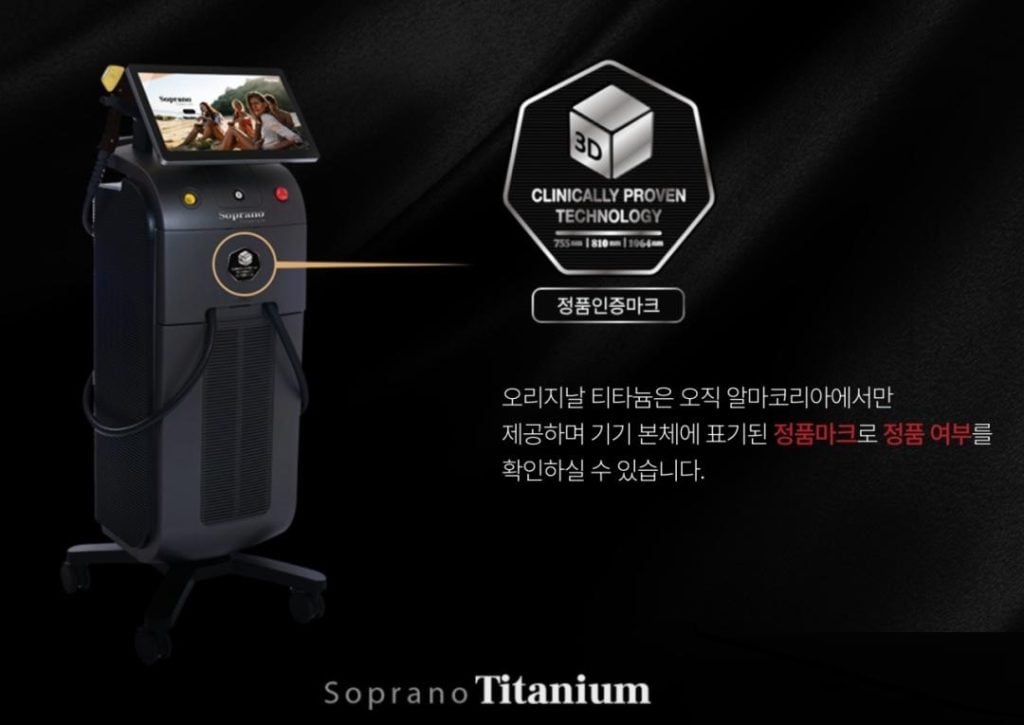
“Titanium Lifting” uses a triple-wavelength laser device (Soprano Titanium) developed by Israel’s Alma company. This technology was initially used for hair removal, but because of its notable lifting results, it gradually came to be applied in the field of facial aesthetics. Thanks to its excellent facial tightening and collagen regeneration effects, it is widely used for SMAS-layer lifting. At its core is triple-wavelength laser technology—broad-pulsed light at 755nm, 810nm and 1064nm. These wavelengths penetrate to different layers of the skin, from the dermis to the SMAS layer, deeply tightening tissue in the dermal layer, delivering heat, and promoting new collagen formation, with the goal of lifting the facial contour, improving nasolabial folds, and enhancing skin elasticity.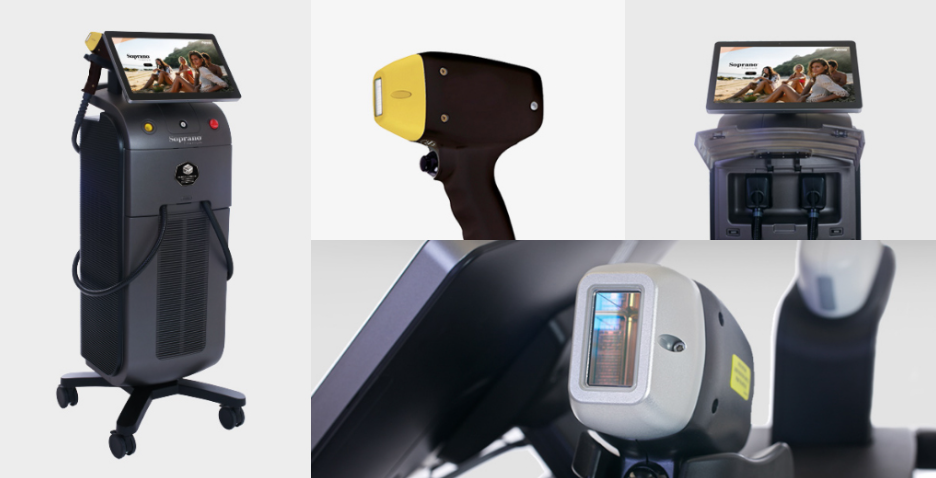 With its unique triple-laser technology and notable lifting and tightening results, Titanium Lifting has won the favour of many beauty-conscious individuals. The Titanium Lifting treatment involves very low discomfort, no wounds, quick post-treatment improvement, and no recovery period—making it very suitable for a busy modern lifestyle.
Titanium Lifting is suitable for a variety of skin types; whether dry, oily or combination skin, good improvements can be achieved.
However, Titanium Lifting is not a one-and-done solution. To maintain better results, regular treatment and maintenance are needed. Everyone’s skin condition, constitution and responsiveness differ, so Titanium Lifting results may vary from person to person. When choosing a clinic and physician, careful discernment is required to ensure you select a reputable institution and an experienced doctor.
The Titanium Lifting Treatment Process Explained
Pre-Treatment Assessment for Titanium Lifting
Before Titanium Lifting, the treatment is based on individual skin type and facial structure. The physician performs an ultrasound assessment beforehand, analyzing facial fat and skin thickness, and combines this with the patient’s needs to create a one-of-a-kind treatment plan and a customized approach. Using ultrasound imaging to detect subcutaneous fat and skin thickness, the physician then sets the energy intensity and treatment mode for each area. Sapphire cooling technology is used throughout, significantly reducing discomfort and protecting the epidermis, essentially achieving an ice-cool, painless lift with no recovery period—do it and go, suitable for today’s fast-paced lifestyle.
Titanium Lifting’s Two Different Delivery Modes
- STACK mode (P1): reaches the SMAS layer, focusing on lifting the facial contour, correcting cheek sagging, and improving nasolabial folds.
- SHR mode (P2): acts on the dermal layer, tightening pores, reducing fine lines and improving skin texture—a sensitive-skin-friendly lifting treatment.
Who Is Titanium Lifting Suitable For?
- Those who want to lift and firm the facial contour
- Those with mild facial laxity who do not want invasive treatment
- Those who want to improve dull skin tone, fine lines and enlarged pores
- Users who are sensitive to pain and cannot tolerate Thermage or Ultherapy
- People who want quick recovery and to immediately apply makeup for social or work occasions
- Clients looking for a Korean non-invasive lifting treatment
- Those who want to improve the V-line contour and skin
Titanium Lifting Side Effects and Precautions
Although Titanium Lifting is a non-invasive treatment, please note the following:- A small number of people may experience mild redness, swelling or localized warmth within 2–3 days after treatment.
- You can cleanse the skin and apply light makeup the same day, but should avoid exfoliation, strong sun exposure and high-temperature environments.
- Enhanced moisturizing and sun protection are recommended to maintain the treatment results.
- Avoid strenuous exercise and high-heat activities such as saunas for one week.
How Does Titanium Lifting Differ from Other Treatments?
- Titanium Lifting vs. Thermage: Thermage uses radiofrequency stimulation and involves relatively higher discomfort, whereas Titanium Lifting suits those who fear pain.
- Titanium Lifting vs. Fotona: Fotona emphasizes a single wavelength, while Titanium Lifting uses multi-wavelength blending to optimize treatment depth across layers.
Frequently Asked Questions (Q&A):
1. Does Titanium Lifting hurt? Are there side effects?
Compared with Thermage and Ultherapy, Titanium Lifting offers significantly greater comfort. Because it uses a sapphire contact cooling system that effectively reduces discomfort, even sensitive skin can undergo the treatment with confidence. According to most people’s feedback, there is only mild tingling in certain areas, and overall it falls within an acceptable range.
2. How long do Titanium Lifting results last?
Noticeable results can be seen from the first treatment, with a clearer facial contour and improved skin radiance. To maintain the best condition, one session every 3 to 4 weeks is recommended, for a total of three sessions as one complete course. After that, maintenance can be done every 2–3 months depending on skin condition.
3. How many sessions and what interval?
Treatment timing may vary based on individual skin condition and area; three treatments are recommended, spaced 3–4 weeks apart.
4. Is Titanium Lifting worth it?
Titanium Lifting is undoubtedly a treatment that combines comfort with results, particularly suited to those who fear pain and want natural results with no recovery period. Compared with Morpheus8, Thermage or Fotona, it has advantages in pain control and recovery speed.5. How long after Titanium Lifting until I can return to normal life?
Most people can return to normal life on the same day as treatment, with no recovery period needed.
Summary
Titanium Lifting is a Korean non-invasive lifting treatment that blends technology and comfort, suitable for those who want to achieve facial lifting and skin improvement without surgery and without disrupting daily life. Although the price is on the higher side, its immediate results, minimal side effects and absence of a recovery period are gradually winning market favour. If you’re seeking “efficient + painless + natural,” Titanium Lifting is well worth a try.Book a Consultation Now
If you’d like to learn more about Titanium Lifting, feel free to contact us:
? ID Cosmetic Clinic Toronto: Unit 113-115-116-117, 30 Gibson Dr. Markham L3R 2S3
? Phone booking | Free initial assessment: (905)-477-2225Further Reading
Toronto Facial Sagging Improvement | Non-Surgical Lifting and Comprehensive Anti-Aging Solutions PDDO Thread Lift Rapid Lift FOTONA™ 4D®Frequently Asked Questions
Frequently Asked Questions
What technology is Titanium Lifting, and how does it differ from ordinary lasers?
Does Titanium Lifting hurt? What does it feel like during treatment?
Who is Titanium Lifting suitable for, and are there cases where it isn't appropriate?
Can I see results from Titanium Lifting after one session? How long do they last?
Is there a recovery period after Titanium Lifting? Can I work and wear makeup the same day?
Between Titanium Lifting and Thermage, which is more suitable for me?
How many sessions are in a Titanium Lifting course, and what is the interval?
What should I be careful about after Titanium Lifting?
Where can I get Titanium Lifting in Markham or Toronto?
How do Titanium Lifting, PDDO thread lift and Fotona differ, and how should I choose?
Next Step
Ready to Take the First Step?
Laxity, wrinkles and facial sagging have different root causes — one physician-led consultation identifies the true problem layer before deciding which plan fits you best.
