


Melasma vs Hyperpigmentation: Key Differences in One Guide
Melasma and hyperpigmentation both cause dark patches, but their triggers, locations, and treatments differ in ways that matter for your skin.

Key Takeaways
- ✓ Understanding whether you have melasma or general hyperpigmentation allows for a more targeted and effective treatment approach
- ✓ Identifying hormonal triggers—such as pregnancy or birth control—can prevent melasma from worsening before treatment begins
- ✓ Post-inflammatory hyperpigmentation from acne or wounds often responds well to topical and light-based therapies when addressed early
- ✓ Sun protection is a cornerstone of managing both conditions, reducing recurrence and improving the outcome of clinical treatments
- ✓ A physician-led consultation at ID Cosmetic Clinic with Dr. Dan Xu ensures an accurate diagnosis so the right treatment is selected from the start
Direct Answer
Melasma is a hormonally driven pigmentation disorder producing symmetrical brown or gray-brown patches, primarily on the face, often triggered by pregnancy, oral contraceptives, or sun exposure. Hyperpigmentation is a broader term covering any localized skin darkening—including sun spots, post-inflammatory marks from acne, and age spots—without a direct hormonal link. Both are benign but require different management strategies. At ID Cosmetic Clinic in Markham and Toronto, Dr. Dan Xu performs physician-led assessments to distinguish the two and build individualized treatment plans, typically involving multiple sessions over several months.
Melasma vs Hyperpigmentation
Melasma vs Hyperpigmentation
Introduction
Understanding the differences between melasma and hyperpigmentation is not just a matter of semantics; it’s essential for accurate diagnosis, treatment, and management. While both conditions result in darkened areas on the skin, their causes, typical locations, and risk factors vary significantly.
Causes
- Melasma is closely linked to hormonal changes and is often triggered by pregnancy, birth control pills, or hormone therapy. Sun exposure can exacerbate the condition, as can genetic predisposition.
- Hyperpigmentation, on the other hand, may arise from several factors including sun damage, inflammation, skin injuries, or conditions like acne. Unlike melasma, it’s not directly tied to hormonal changes.
Symptoms and Affected Areas
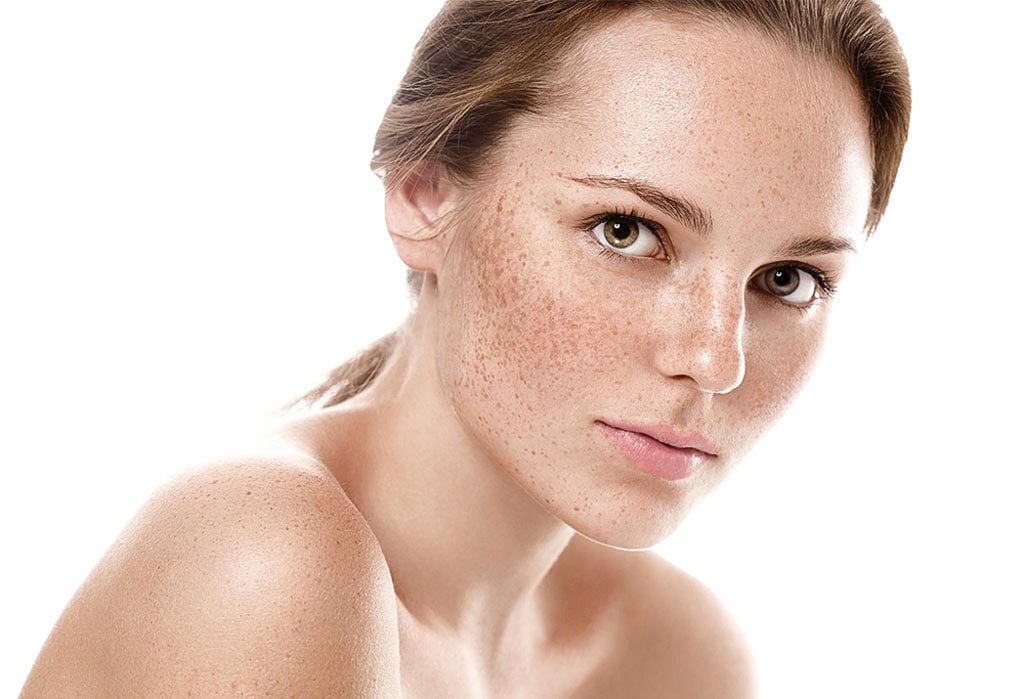
- Melasma typically presents as brown or gray-brown patches, mainly on the face. Common areas include the cheeks, bridge of the nose, forehead, chin, and above the upper lip. It can also appear on parts of the body exposed to the sun, like the forearms and neck.
- Hyperpigmentation manifests as dark spots or patches that can occur anywhere on the body, including areas not exposed to the sun. The size and shape can vary, and it includes conditions like age spots, liver spots, and post-inflammatory hyperpigmentation from acne or wounds.
Risk Factors
- Melasma is more common in women, especially pregnant women (where it’s known as chloasma or the “mask of pregnancy”), and those with darker skin types due to higher melanin levels.
- Hyperpigmentation can affect anyone, regardless of gender, pregnancy status, or hormonal changes. Risk increases with factors like sun exposure, skin trauma, and certain medications that may increase skin sensitivity to sunlight.
A Side-by-Side Comparison
| Feature | Melasma | Hyperpigmentation |
|---|---|---|
| Causes | Hormonal changes, sun exposure, genetic predisposition | Sun damage, inflammation, skin injuries |
| Typical Locations | Face (cheeks, forehead, upper lip), neck, forearms | Anywhere on the body |
| Symptoms | Brown or gray-brown patches | Dark spots or patches of various sizes |
| Risk Factors | Women, darker skin types, genetic predisposition | Sun exposure, skin trauma, certain medications |
Diagnosis and Identification
Distinguishing between melasma and hyperpigmentation is crucial for effective treatment, and the diagnosis often begins with a thorough medical history and skin examination.
- For Melasma, dermatologists might look for the hallmark signs of symmetrical patterns and consistent coloration on the cheeks, forehead, and other sun-exposed areas. A Wood’s lamp, which emits black light, can help assess the depth of the pigmentation.
- Hyperpigmentation diagnosis may involve identifying the underlying cause, such as post-inflammatory origins from acne or injury. Dermatologists may also use a Wood’s lamp to distinguish superficial from deeper pigment issues.
In both cases, understanding the patient’s lifestyle, sun exposure habits, and any history of skin conditions or treatments is essential. Occasionally, a biopsy may be performed to rule out other skin conditions.
Treatment Options
- Melasma Treatments
- Topical Treatments: The first line of defense usually involves topical treatments such as hydroquinone, which lightens the skin, and tretinoin, which accelerates cell turnover. Other options include azelaic acid and kojic acid.
- Oral Medications: For severe cases, oral tranexamic acid may be prescribed.
- Professional Treatments: Chemical peels, microdermabrasion, and laser therapy can be effective, especially for resistant cases. However, these treatments require careful consideration due to potential side effects like irritation or worsening of pigmentation.
- Hyperpigmentation Treatments
- Topical Remedies: Similar to melasma, treatments may include hydroquinone, azelaic acid, and kojic acid. Over-the-counter products with niacinamide and vitamin C can also be effective.
- Professional Procedures: Laser treatments, like fractional lasers, are often used for deeper hyperpigmentation. Chemical peels and microdermabrasion can help with surface-level spots.
In both conditions, sun protection is paramount. Daily use of broad-spectrum SPF 30 or higher sunscreen can prevent existing spots from darkening and new ones from forming.
Prevention and Management
Preventive measures are similar for both conditions and include minimizing sun exposure and using broad-spectrum sunscreens. Patients are also advised to wear protective clothing and seek shade whenever possible. For those with melasma, managing hormonal influences may also be part of prevention, such as evaluating birth control methods.
Conclusion
While melasma and hyperpigmentation share similarities in being skin conditions that cause darkening of the skin, their underlying causes, treatments, and management strategies show significant differences. Understanding these distinctions is crucial for dermatologists and patients alike to navigate towards the most effective treatment pathways. With advancements in dermatological treatments and a proactive approach to prevention, individuals suffering from these conditions can look forward to improving their skin’s health and appearance.
Choose ID Cosmetic Clinic
- Dr. Xu Dan, chief physician at ID Aesthetic Medicine, possesses a Canadian Medical Doctorate.
- In-depth knowledge of North American aesthetics and Asian facial intricacies.
- By integrating Eastern and Western aesthetics, she expertly crafts ideal facial features for Asians.
- She boasts over 80,000 treatment areas.
- Dr. Xu has innovated a technique using injections for eye and face lifts, targeting the Asian facial profile.
- Tailored solutions for your skin, emphasizing the medical core of aesthetic medicine.
- As an experienced Chinese doctor, she personally conducts procedures.
- Bilingual consultations are available on-site, ensuring safe treatments.
- Free consultation appointments are offered.
Frequently Asked Questions
Frequently Asked Questions
How much does melasma or hyperpigmentation treatment cost in Toronto?
How does melasma treatment actually work on the skin?
Does melasma or hyperpigmentation treatment hurt?
How long do the results of melasma or hyperpigmentation treatment last?
How long does it take to see results from hyperpigmentation or melasma treatment?
How often do I need maintenance treatments for melasma or hyperpigmentation?
Are melasma treatments authorized for sale by Health Canada?
Can melasma or hyperpigmentation treatments be combined with other procedures?
What are the serious risks or side effects of melasma and hyperpigmentation treatments?
What is the difference between melasma and post-inflammatory hyperpigmentation (PIH)?
Next Step
Ready to Take the First Step?
Laxity, wrinkles and facial sagging have different root causes — one physician-led consultation identifies the true problem layer before deciding which plan fits you best.

