


Fotona Laser Near Me for Advanced Skin Rejuvenation Treatments
Fotona's dual-wavelength laser platform treats everything from skin laxity to acne scarring—here's what the science actually shows.

Key Takeaways
- ✓ Dual-wavelength design (Er:YAG + Nd:YAG) allows one platform to address both superficial and deeper skin concerns in the same appointment
- ✓ Non-ablative and ablative modes give the treating physician flexibility to calibrate downtime from near-zero to moderate depending on your goals
- ✓ Clinically documented collagen remodeling means improvements continue to develop for weeks after each session, not just immediately post-treatment
- ✓ Suitable for a broad range of skin tones when settings are dialed in by an experienced physician, reducing the risk of post-inflammatory hyperpigmentation
- ✓ Physician-led treatment at ID Cosmetic Clinic ensures medical assessment, personalized parameters, and follow-up monitoring at every stage of your plan
Direct Answer
Fotona Laser is a medical-grade dual-wavelength laser system (Er:YAG 2940 nm and Nd:YAG 1064 nm) manufactured by Fotona, a European laser company with over 50 years of device development. Health Canada classifies it as a Class II medical device. It is suited for adults seeking skin resurfacing, laxity reduction, acne, scarring, or hair removal. The system works by delivering precisely controlled light energy to target tissue depths, triggering collagen remodeling without harming surrounding skin. At ID Cosmetic Clinic (Markham · Toronto), Fotona treatments are performed personally by Dr. Dan Xu, M.D. CCFP. Most concerns require 3–6 sessions spaced 4–6 weeks apart, with cumulative improvement over 3–6 months.
Introduction
Welcome to the world of Fotona Laser, a revolutionary technology transforming the landscape of aesthetic and medical treatments. Whether you’re looking for skin rejuvenation, acne treatment, or hair removal, it offers a versatile solution with impressive results. In this article, we’ll delve deep into what makes it stand out, how it works, and what you can expect from your treatment journey.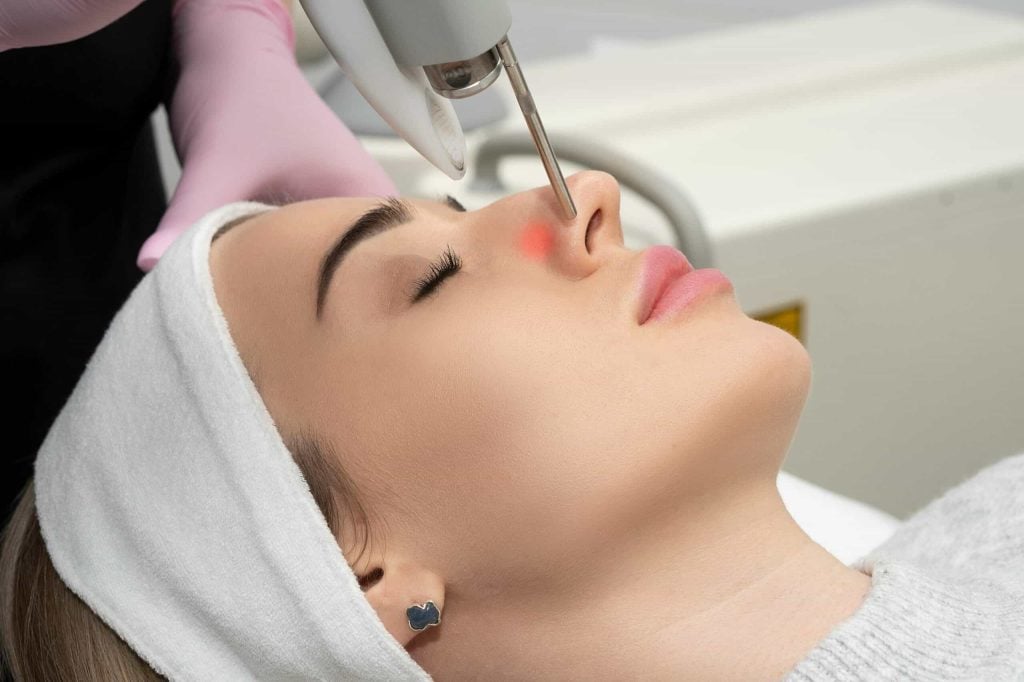
What is Fotona Laser?
Overview
Fotona Laser is a cutting-edge laser system designed for a wide range of medical and aesthetic applications. Its advanced technology allows for precise, safe, and effective treatments, catering to various skin concerns and conditions.History and Development
Developed by Fotona, a leading manufacturer of laser technology, it has been at the forefront of innovation for over five decades. The company’s commitment to research and development has resulted in a series of high-performance laser systems trusted by professionals worldwide.How Does Fotona Laser Work?
The Technology Behind Fotona Laser
Fotona Laser systems utilize different wavelengths to target specific tissues within the skin. This selective targeting allows for precise treatment of various skin conditions without damaging surrounding tissues. The most common wavelengths used are Er and Nd, each offering unique benefits for different treatments.Types of Fotona Laser Systems
Fotona offers several laser systems, including the SP Dynamis, XP Dynamis, and StarWalker, each designed to address specific medical and aesthetic needs. These systems combine multiple wavelengths and advanced features to deliver superior performance and versatility.Applications of Fotona Laser
Fotona Laser is used in a wide range of treatments, from skin resurfacing and wrinkle reduction to acne and scar treatment, hair removal, and vascular lesion therapy. Its versatility makes it a popular choice among dermatologists and aesthetic practitioners.Benefits of Fotona Laser
Versatility in Treatments
It can treat various skin conditions, making it a versatile tool in aesthetic and medical practices. Its ability to switch between different wavelengths and modes allows for customized treatments tailored to individual patient needs.Precision and Safety
The advanced technology of this treatments ensures precise targeting of treatment areas, minimizing the risk of damage to surrounding tissues. This precision translates to safer procedures with fewer side effects and quicker recovery times.Minimal Downtime
One of the significant advantages of this treatments is the minimal downtime involved. Most patients can return to their daily activities shortly after treatment, making it a convenient option for those with busy schedules.Long-lasting Results
Fotona Laser treatments are known for their long-lasting results. Whether you’re undergoing skin rejuvenation or acne treatment, the effects are typically durable, providing patients with sustained improvements over time.Common Treatments Using Fotona Laser
Skin Rejuvenation
It is highly effective in promoting collagen production and improving skin texture, making it an excellent choice for skin rejuvenation. Treatments can reduce fine lines, wrinkles, and improve overall skin tone and elasticity.Acne and Scar Treatment
Fotona Laser’s ability to target deep layers of the skin makes it effective in treating acne and reducing the appearance of scars. The laser helps to clear acne-causing bacteria and stimulate healing in scarred tissues.Hair Removal
It offers a permanent solution for unwanted hair. Its precise targeting destroys hair follicles while sparing surrounding skin, making it a safe and effective option for hair removal on various body areas.Pigmentation Correction
Hyperpigmentation and uneven skin tone can be effectively treated with Fotona Laser. The laser targets melanin deposits in the skin, breaking them down and resulting in a more even complexion.Vascular Lesions
It is also used to treat vascular lesions such as spider veins and rosacea. The laser’s energy is absorbed by the blood vessels, causing them to collapse and gradually fade from view.What to Expect During a Fotona Laser Treatment?
Consultation and Assessment
Before undergoing a Fotona Laser treatment, a thorough consultation and skin assessment are essential. This step ensures that the treatment plan is tailored to your specific needs and skin type.The Procedure
During the treatment, the laser device is carefully applied to the targeted areas. Depending on the specific treatment, you may feel a slight warming sensation or mild discomfort. The procedure duration varies based on the treatment area and type.Post-Treatment Care
After the treatment, following the post-care instructions provided by your practitioner is crucial for optimal results. This may include avoiding sun exposure, using recommended skincare products, and attending follow-up appointments.Potential Side Effects and Risks
Common Side Effects
Some common side effects of this treatments include redness, swelling, and minor discomfort in the treated area. These effects are usually temporary and subside within a few days.Rare but Serious Risks
Although rare, more serious risks such as burns, scarring, or changes in skin pigmentation can occur. Choosing a qualified and experienced practitioner can significantly reduce these risks.How to Minimize Risks
To minimize the risks associated with Fotona Laser treatments, it’s essential to follow pre- and post-treatment care instructions, choose a reputable clinic, and ensure that your practitioner is well-trained in using Fotona Laser technology.Who is an Ideal Candidate for Fotona Laser?
Suitable Skin Types
Fotona Laser is suitable for most skin types, including light and dark skin tones. However, a thorough assessment by a qualified practitioner is necessary to determine the best treatment approach for your skin type.Conditions Treated
Ideal candidates for Fotona Laser treatments include individuals with skin concerns such as fine lines, wrinkles, acne, scars, hyperpigmentation, and unwanted hair.Contraindications
Individuals with certain medical conditions or those who are pregnant may not be suitable candidates for Fotona Laser treatments. It’s important to disclose your medical history during the consultation.Cost of Fotona Laser Treatments
Factors Affecting Cost
The cost of this treatments can vary based on factors such as the type of treatment, the size of the treatment area, the number of sessions required, and the practitioner’s experience.Average Cost Estimates
On average, this treatments can range from $200 to $1,500 per session, depending on the complexity and area of treatment.Insurance and Financing Options
While most cosmetic treatments are not covered by insurance, some clinics offer financing options to make Fotona Laser treatments more accessible. It’s worth discussing these options during your consultation.Conclusion
Fotona Laser represents a significant advancement in the field of aesthetic and medical treatments. Its versatility, precision, and effectiveness make it a popular choice for addressing various skin concerns. Whether you’re looking to rejuvenate your skin, treat acne, or remove unwanted hair, it offers a reliable solution with minimal downtime and long-lasting results.FAQs
Q1: What are the safety protocols for advanced aesthetic procedures?
Reputable clinics follow safety protocols such as sterile equipment, trained medical professionals, approved devices, patient consultations, and proper aftercare instructions.Q2: What is the best treatment for acne scars in Toronto?
Common treatments for acne scars include Pico laser, microneedling with PRP, and laser skin resurfacing. Clinics such as ID Cosmetic Clinic offer customized treatment plans based on the type of scarring.Choose ID Cosmetic Clinic
- Dr. Xu Dan, chief physician at ID Aesthetic Medicine, possesses a Canadian Medical Doctorate.
- In-depth knowledge of North American aesthetics and Asian facial intricacies.
- By integrating Eastern and Western aesthetics, she expertly crafts ideal facial features for Asians.
- She boasts over 80,000 treatment areas.
- Dr. Xu has innovated a technique using injections for eye and face lifts, targeting the Asian facial profile.
- Tailored solutions for your skin, emphasizing the medical core of aesthetic medicine.
- As an experienced Chinese doctor, she personally conducts procedures.
- Bilingual consultations are available on-site, ensuring safe treatments.
- Free consultation appointments are offered.
Frequently Asked Questions
Frequently Asked Questions
How much does Fotona Laser cost in Toronto?
How does Fotona Laser actually work on the skin?
Does Fotona Laser treatment hurt?
How long do Fotona Laser results last?
How soon will I see results after Fotona Laser?
How many Fotona Laser sessions do I need and how often?
Is Fotona Laser approved or available in Canada?
Can Fotona Laser be combined with other treatments like injectables or RF?
What are the serious risks or side effects of Fotona Laser?
What is the difference between Fotona Laser and IPL (Intense Pulsed Light)?
Next Step
Ready to Take the First Step?
Laxity, wrinkles and facial sagging have different root causes — one physician-led consultation identifies the true problem layer before deciding which plan fits you best.
