


Exploring Vbeam Laser: Advanced Skin Treatment Guide
Vbeam pulsed dye laser targets vascular skin conditions with precision—here is what the science actually shows and what to expect at a physician-led clinic.

Key Takeaways
- ✓ Vbeam's 595 nm wavelength selectively targets oxyhemoglobin, making it a clinically validated choice for reducing visible facial redness, rosacea flushing, and spider veins without damaging surrounding skin tissue
- ✓ The built-in Dynamic Cooling Device (DCD) sprays a cryogen mist onto the skin milliseconds before each pulse, significantly reducing surface heat and improving comfort throughout the procedure
- ✓ Vbeam treatments are non-invasive and typically require little to minimal downtime—most patients can return to normal daily activities the same day, though mild redness or bruising may occur temporarily
- ✓ The technology is versatile: in addition to vascular conditions, Vbeam has evidence supporting its use for hypertrophic scars, stretch marks, and certain pigmented lesions when assessed by a qualified physician
- ✓ Because ID Cosmetic Clinic is physician-led, each Vbeam treatment plan is designed by Dr. Dan Xu M.D. CCFP based on a full skin assessment, reducing the likelihood of unsuitable treatment and supporting safer, more consistent outcomes
Direct Answer
Vbeam is a pulsed dye laser (PDL) manufactured by Syneron-Candela, one of the most studied vascular lasers in dermatology and medical aesthetics. It is cleared for use in Canada and is indicated for adults and children with vascular lesions including rosacea, facial redness, spider veins, port wine stains, and certain acne-related conditions. The device emits a 595 nm wavelength light beam that is selectively absorbed by oxyhemoglobin, coagulating targeted blood vessels while leaving surrounding tissue intact. At ID Cosmetic Clinic in Markham and Toronto, Vbeam treatments are performed personally by Dr. Dan Xu, M.D. CCFP. Most patients require 2–6 sessions spaced 4–6 weeks apart depending on the condition being treated.
Introduction
The Vbeam laser, a state-of-the-art pulsed dye laser (PDL), is renowned for its precision and effectiveness in treating various skin conditions. This technology is particularly beneficial for conditions associated with blood vessels, such as rosacea, spider veins, and port wine stains. The following sections will delve deeper into the workings, benefits, and real-world applications of the Vbeam laser to offer insights into why it might be the right choice for those seeking skin treatment solutions.
What is Vbeam Laser?
At its core, Vbeam is a pulsed-dye laser, known for its efficacy in treating vascular skin conditions. This technology leverages a concentrated beam of light, which specifically targets blood vessels in the skin without harming surrounding tissues. The Vbeam laser is adept at treating conditions such as rosacea, spider veins, acne scars, and more, offering a versatile solution for those looking to improve their skin’s appearance.
Benefits of Vbeam Laser Treatment
The appeal of Vbeam laser therapy lies in its non-invasive nature and minimal downtime. Unlike surgical interventions, Vbeam treatments are quick, relatively painless, and allow patients to return to their daily activities almost immediately. Furthermore, the precision of this technology ensures targeted treatment, reducing the risk of side effects and promoting faster healing.
How Does Vbeam Laser Work?
One of the primary advantages of Vbeam is its versatility. It is not only used for vascular conditions but also for inflammatory skin conditions like acne and rosacea, as well as for pigmentation issues, scars, and wrinkles. Here are some of the key benefits:
- Reduction in Skin Redness: Patients with rosacea or other redness-prone conditions often see a significant decrease in discoloration after Vbeam treatments.
- Scar and Stretch Mark Improvement: Vbeam helps in remodeling collagen and can reduce the appearance of acne scars and stretch marks.
- Minimal Downtime: Unlike more invasive procedures, Vbeam does not require significant downtime, allowing patients to return to their daily routines more quickly.
Ideal Candidates for Vbeam Laser Treatment
While Vbeam is a versatile treatment, it’s not suitable for everyone. Ideal candidates are those with light to medium skin tones, suffering from vascular lesions or scars. It’s important for potential patients to consult with a dermatologist to determine if Vbeam is the right choice for their specific condition and skin type.
Preparing for Your Vbeam Laser Treatment
Preparation is key to a successful Vbeam treatment. During the initial consultation, your dermatologist will evaluate your skin and outline what you can expect from the procedure. Pre-treatment care often involves avoiding sun exposure and certain medications that can affect the skin’s sensitivity.
The Vbeam Treatment Process
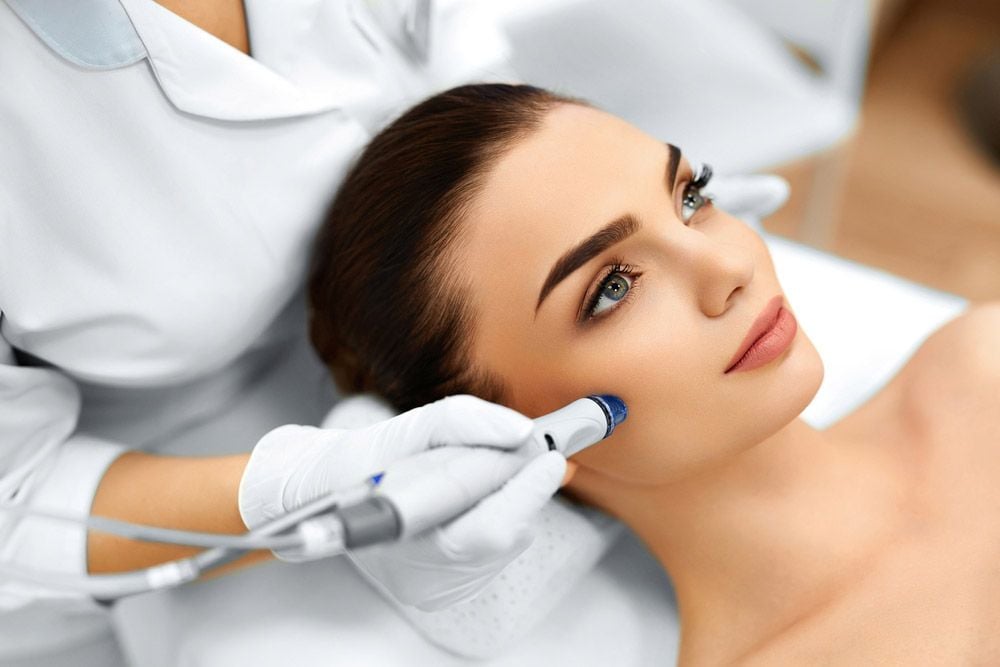
The Vbeam treatment process is straightforward. Patients may feel a mild discomfort, often described as a rubber band snapping against the skin, but this is typically well-tolerated. The duration of the treatment depends on the size and severity of the area being treated but usually lasts between 15 to 30 minutes.
Post-Treatment Care and Recovery
Aftercare is minimal, with most patients able to resume their normal activities immediately. It’s common to experience some redness and swelling, but these side effects usually subside within a few days. Your dermatologist will provide specific aftercare instructions to ensure a smooth recovery.
Side Effects and Risks of Vbeam Laser
While Vbeam is considered safe, it’s not without potential side effects. Most are mild and may include temporary redness, swelling, or bruising. Rarely, more serious complications can occur, emphasizing the importance of choosing an experienced dermatologist for your treatment.
Comparing Vbeam with Other Laser Treatments
While there are many laser treatments available, Vbeam distinguishes itself through its specificity for vascular conditions and its gentle approach. When comparing treatments, consider your specific skin concerns, the potential side effects, and the expertise of your provider.
Cost and Accessibility of Vbeam Treatment
The cost of Vbeam treatment can vary based on location, the extent of the treatment, and other factors. While not typically covered by insurance, many dermatology clinics offer financing options to make this technology accessible to those who can benefit from it.
Conclusion
Vbeam laser therapy offers a powerful solution for those struggling with vascular skin conditions, providing a non-invasive, effective treatment with minimal downtime. Whether you’re looking to reduce the appearance of rosacea, spider veins, or acne scars, Vbeam may offer the results you’re seeking. Consult with a dermatologist to explore if Vbeam is the right option for you and embark on your journey to clearer, more confident skin.
Choose ID Cosmetic Clinic
- Dr. Xu Dan, chief physician at ID Aesthetic Medicine, possesses a Canadian Medical Doctorate.
- In-depth knowledge of North American aesthetics and Asian facial intricacies.
- By integrating Eastern and Western aesthetics, she expertly crafts ideal facial features for Asians.
- She boasts over 80,000 treatment areas.
- Dr. Xu has innovated a technique using injections for eye and face lifts, targeting the Asian facial profile.
- Tailored solutions for your skin, emphasizing the medical core of aesthetic medicine.
- As an experienced Chinese doctor, she personally conducts procedures.
- Bilingual consultations are available on-site, ensuring safe treatments.
- Free consultation appointments are offered.
Frequently Asked Questions
Frequently Asked Questions
How much does Vbeam laser treatment cost in Toronto or Markham?
How does Vbeam pulsed dye laser actually work on the skin?
Does Vbeam laser hurt? What does the treatment feel like?
How long do Vbeam laser results last?
How soon will I see results after Vbeam treatment?
How often do you need Vbeam treatments and is maintenance required?
Is Vbeam laser available in Canada and is it authorized for sale by Health Canada?
Can Vbeam laser be combined with other skin treatments like Botox or fillers?
What are the risks and serious side effects of Vbeam laser?
What is the difference between Vbeam laser and IPL (intense pulsed light) for rosacea?
Next Step
Ready to Take the First Step?
Laxity, wrinkles and facial sagging have different root causes — one physician-led consultation identifies the true problem layer before deciding which plan fits you best.

