


PRP Injection Under Eyes: Natural Rejuvenation for Dark Circles
PRP injection under the eyes uses your own platelet-rich plasma to stimulate collagen and reduce dark circles—without synthetic fillers.

Key Takeaways
- ✓ Uses your own blood-derived platelet-rich plasma, eliminating the risk of allergic reaction to a foreign substance
- ✓ Stimulates the body's natural collagen production to gradually thicken thin under-eye skin and reduce the appearance of dark circles
- ✓ Avoids risks associated with synthetic fillers such as migration, irregular lumps, or vascular occlusion in the delicate periorbital area
- ✓ Improves overall under-eye skin quality—texture, tone, and fine lines—not just volume, delivering a more natural-looking result over time
- ✓ Performed by a physician-led team at ID Cosmetic Clinic, ensuring proper blood preparation, sterile technique, and individualized treatment planning
Direct Answer
PRP (platelet-rich plasma) injection under the eyes is a minimally invasive, autologous regenerative treatment derived from a small sample of the patient's own blood, concentrated by centrifuge to isolate growth factors. It is performed in regulated medical settings by licensed physicians. It is suited for adults experiencing dark circles, fine lines, thin skin, or mild volume loss in the tear-trough area. The concentrated platelets stimulate collagen synthesis, improve microcirculation, and gradually thicken the under-eye skin. At ID Cosmetic Clinic (Markham · Toronto), this procedure is performed personally by Dr. Dan Xu, M.D. CCFP. A typical protocol involves 2–3 sessions spaced 4–6 weeks apart, with visible improvement generally appearing within 4–8 weeks of the first treatment.
Discover the Power of PRP Injection Under Eyes for Dark Circles
If you’re exploring rejuvenation options, especially for delicate under-eye concerns, prp injection under eyes offers a naturally regenerative approach using your own blood’s healing capacity. This method, also known as platelet rich plasma therapy, has begun to outperform conventional dermal filler treatments when targeting stubborn dark circles under eyes.
What Is PRP (Platelet Rich Plasma) Injection Under Eyes?
A prp injection under eyes involves drawing a small amount of your blood, spinning it in a centrifuge to concentrate platelets, and then injecting or microneedling that concentrate into the under-eye skin. The concentrated platelets—with their rich growth factors—stimulate collagen, improve texture, and help diminish dark circles under eyes and fine lines.
Why Do Dark Circles Under Eyes Form?
Dark circles under eyes arise due to a combination of causes: hyperpigmentation, thin skin revealing blood vessels, and volume loss around the tear trough. As skin thins and collagen declines, volume loss accentuates hollows and shadows, contributing to a fatigued or aged appearance.
PRP Treatment vs. Filler Under Eyes
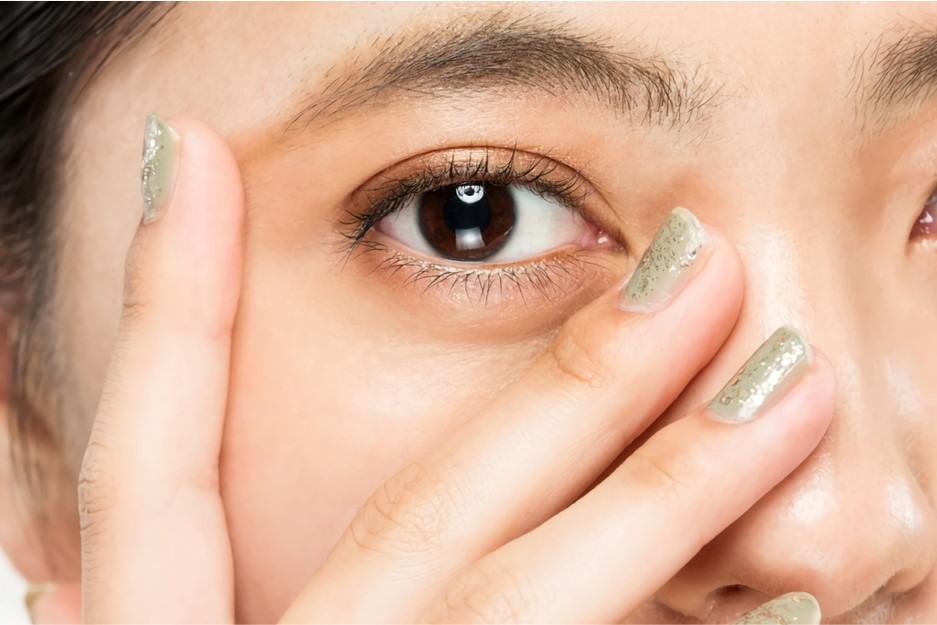
When considering PRP vs filler under eyes, PRP has several advantages: it’s inherently natural (using your own platelet rich plasma), stimulates new collagen and blood vessels, and avoids risks like migration, unnatural lumps, or severe complications such as vascular occlusion. Fillers—especially hyaluronic acid gels—may absorb water unpredictably, potentially leading to swelling or distortion; PRP tends to deliver more natural, lasting results.
Watch the video and see PRP EYE Injection:
For more videos, please visit our Youtube Channel: https://www.youtube.com/@IDCosmeticClinic
Why Do Dark Circles Under Eyes Form?
Dark circles under eyes arise due to a combination of causes: hyperpigmentation, thin skin revealing blood vessels, and volume loss around the tear trough. As skin thins and collagen declines, volume loss accentuates hollows and shadows, contributing to a fatigued or aged appearance.
PRP Treatment vs. Filler Under Eyes
When considering PRP vs filler under eyes, PRP has several advantages: it’s inherently natural (using your own platelet rich plasma), stimulates new collagen and blood vessels, and avoids risks like migration, unnatural lumps, or severe complications such as vascular occlusion. Fillers—especially hyaluronic acid gels—may absorb water unpredictably, potentially leading to swelling or distortion; PRP tends to deliver more natural, lasting results.
Alternative Treatments Beyond PRP
Other under-eye solutions include topical creams and serums, laser resurfacing, chemical peels, dermal fillers, fat transfer, and in severe cases—surgery. However, many of these options may produce less natural outcomes or carry higher risk profiles compared to under-eye PRP.
Benefits of PRP and PRF Under‑Eye Treatment
Research underscores the value of PRP for improving the under-eye area:
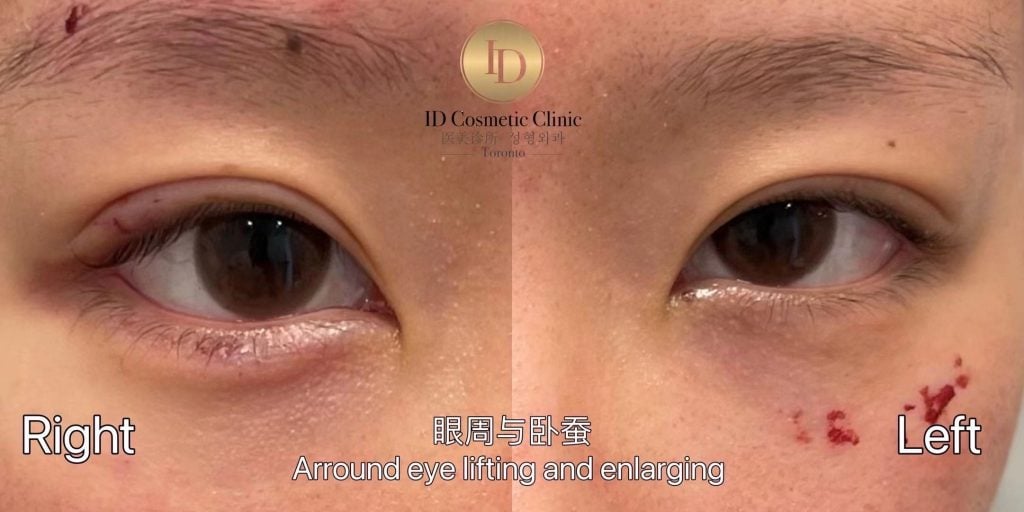
A German study treated 20 patients monthly for three sessions, resulting in improved skin firmness, elasticity, and virtually no side effects.
Another study by Banihashemi (30 patients) reported fair to excellent improvements in dark circles under eyes, periorbital wrinkles, nasolabial folds, and overall skin firmness.
Al‑Shami and colleagues, treating 50 patients, found fair to significant improvement in 60%, with over 65% expressing satisfaction or better.
Effectiveness of PRP Injections Under Eyes
In our practice, results with under-eye PRP closely mirror published research. Patients regularly report natural and noticeable improvement. Results can vary depending on age, ethnicity, lifestyle, volume loss, tear trough anatomy, and presence of fat herniation under the eyes.
Treatment Protocol: How Many Sessions?
While some individuals see meaningful change after a single treatment, we generally recommend three sessions, spaced about one month apart. Combining under‑eye PRP with a PRP Facial or other PRP treatments can enhance rejuvenation across facial areas.
Timeline: When Will You See Improvement
Initial puffiness post-injection typically lasts 2–3 days. Afterward, improvements emerge gradually as growth factors rebuild tissue and collagen. Some patients notice enhancements after the first session, though optimal results usually manifest over the full course.
Duration of Results
Following the recommended series of three treatments, improvements from PRP injection under eyes generally last at least six months, and often up to a year or longer.
Advantages Over Dermal Fillers
PRP boasts natural regenerative benefits—using your own platelet rich plasma, encouraging new collagen and vascular growth—whereas dermal fillers may risk unnatural appearance, migration, or serious vascular complications.
Pain and Comfort
When administered by skilled practitioners, prp injections under eyes are well tolerated. Patients commonly describe a mild sting, rated 2–3 out of 10, lasting only minutes. Ice application during and after treatment helps enhance comfort.
Risks and Recovery
Expect mild swelling and puffiness—desirable to keep PRP in place—and possible bruising. Recovery is typically swift, with most side effects resolving within days.
Who Is a Good Candidate?
PRP works well for addressing fine lines, thinning skin, or visible blood vessels under your eyes. If there’s severe hollowness, a combination of PRP with filler might be suggested.
Does PRP Work for Under‑Eye Bags?
PRP isn’t highly effective for treating fat‑herniation “bags.” For significant eye bags, skin-tightening procedures or surgical approaches may be more appropriate.
Best Type of PRP for Under Eyes
Optimal PRP under eyes should meet these quality standards:
- Platelet concentration: 500,000 to 1,000,000 per microliter
- Platelet composition: over 95%, minimal red blood cells
- WBC count: lower than baseline (<4,000/µL)
- Volume: around 1.5–2 mL per side
A hematology analyzer should verify these parameters before injection.
PRP Injection Stages at Our Clinic
Our clinic’s protocol ensures the highest PRP quality:
- Draw 17 mL (eyes only) or up to 60 mL (with PRP Facial) of blood.
- Test baseline platelet count via hematology analyzer.
- Use double-spin centrifugation for maximum concentration.
- Analyze platelet concentration and purity.
- Delay treatment if PRP quality is insufficient, and investigate underlying causes if necessary.
- Cleanse the area, apply numbing cream if needed, and proceed with precise injections under eye and upper cheek.
Preparation and Imaging
Before treatment, we apply thorough cleansing and conduct imaging with the Visia system to assess skin texture, wrinkles, UV and brown spots, red spots, porphyrins, and TruSkin Age. This helps track progress objectively.
Summary
Prp injection under eyes offers a natural, regenerative solution for dark circles, fine lines, volume loss, and skin quality. It’s safe, well-tolerated, and often delivers lasting results—typically up to a year—with minimal downtime. Numerous studies support its efficacy in improving under-eye appearance. If you’re exploring ways to revitalize your under-eye area, PRP treatment is a compelling option.
Book a Consultation
If you’re looking for PRP near you in Markham, North York and Toronto, or you want to book a treatment, please feel free to contact us:
? Toronto ID Cosmetic Clinic: Unit 113-115-116-117, 30 Gibson Dr. Markham, ON L3R 2S3
? Book by phone | Free consultation: (905)-477-2225
Related Articles
Eyebrow Lift Surgery: Restore Youth and Balance to Your Upper Face
Toronto Aegyo Sal Filler — The Secret to Sweeter, Brighter Eyes
Revitalize Your Eyes: A Guide to Tear Trough Fillers
About Dr.Xu
- Dr. Xu Dan, chief physician at ID Aesthetic Medicine, possesses a Canadian Medical Doctorate.
- In-depth knowledge of North American aesthetics and Asian facial intricacies.
- By integrating Eastern and Western aesthetics, she expertly crafts ideal facial features for Asians.
- She boasts over 80,000 treatment areas.
- Dr. Xu has innovated a technique using injections for eye and face lifts, targeting the Asian facial profile.
- Tailored solutions for your skin, emphasizing the medical core of aesthetic medicine.
- As an experienced Chinese doctor, she personally conducts procedures.
- Bilingual consultations are available on-site, ensuring safe treatments.
- Free consultation appointments are offered.
Frequently Asked Questions
Frequently Asked Questions
How much does PRP injection under the eyes cost in Toronto?
What exactly is in PRP and how does it work under the eyes?
Does PRP under-eye injection hurt?
How long do PRP under-eye results last?
How long does it take to see results from PRP under the eyes?
How often do you need PRP under-eye treatments and is maintenance required?
Is PRP under-eye treatment available in Canada and is it authorized for sale by Health Canada?
Can PRP under the eyes be combined with other treatments like microneedling or filler?
What are the risks and serious side effects of PRP injection under the eyes?
What is the difference between PRP and hyaluronic acid filler for dark circles under the eyes?
Next Step
Ready to Take the First Step?
Laxity, wrinkles and facial sagging have different root causes — one physician-led consultation identifies the true problem layer before deciding which plan fits you best.
Medical Trust
About the Medical Authority of This Article

About the Author
Dr. Xu earned her medical degree (with distinction) in China and her CCFP certification in Canada, with over 80,000 injection and energy device treatments across China, South Korea, and Canada. She specializes in Asian facial aesthetics, energy-based anti-aging, injectable contouring, and cosmetic medical restoration, and is the creator of the PSTD (Dao·Fa·Shu·Qi) systematic aesthetic framework.
Read full bio →Medical Disclaimer
This article is for educational and reference purposes only and cannot replace an in-person consultation, diagnosis or personalized treatment plan from a qualified physician. Skin condition, degree of laxity, medical history and treatment response vary from person to person — suitability, risks and expected outcomes should be assessed by a qualified medical aesthetic physician during a consultation. If you are considering treatment, please book a consultation with ID Cosmetic Clinic or a licensed medical provider in your area.
Last Updated ·

