


Exploring Fotona Laser Technology
Fotona's dual-wavelength laser platform treats everything from wrinkles and acne to snoring—here's what the science actually shows.

Key Takeaways
- ✓ Dual-wavelength design (Er:YAG + Nd:YAG) allows a single platform to address both surface-level texture concerns and deeper structural skin issues in one clinical visit
- ✓ Er:YAG wavelength offers precise, controlled ablation of superficial and mid-dermal layers, making it effective for fine lines, acne scars, and uneven skin texture
- ✓ Nd:YAG wavelength penetrates deeper tissue safely across a range of skin tones, supporting vascular treatments, hair removal, and non-ablative collagen stimulation
- ✓ Fotona's SmoothLiftin and NightLase protocols extend laser benefits beyond aesthetics to address functional concerns such as lax oral tissue and snoring
- ✓ Physician-led treatment at ID Cosmetic Clinic means Dr. Dan Xu personally assesses candidacy, selects the appropriate wavelength mode, and adjusts parameters for each patient's skin type and goal
Direct Answer
Fotona is a medical-grade laser platform founded in 1964, offering two primary wavelengths: Er:YAG (precise skin resurfacing) and Nd:YAG (deeper tissue and vascular treatments). Health Canada classifies Fotona devices as regulated Class II or Class III medical equipment, used by licensed clinicians. It is suited for adults seeking skin rejuvenation, scar revision, acne reduction, hair removal, or snoring therapy. Each wavelength delivers controlled light energy to trigger collagen remodelling or targeted tissue ablation. At ID Cosmetic Clinic (Markham · Toronto), Fotona treatments are performed personally by Dr. Dan Xu, M.D. CCFP. Most protocols involve 3–6 sessions spaced 4–6 weeks apart, with gradual improvement visible over 3–6 months.
What Is Fotona?
In the ever-evolving world of aesthetic and medical treatments, Fotona stands out as a premier name in laser technology. But what exactly is Fotona, and why has it garnered so much attention in recent years? Fotona is a global leader in innovative laser technologies, offering advanced, minimally invasive treatments that cater to both cosmetic and medical needs.
A Brief History of Laser Technology
The journey of laser technology began in the mid-20th century and has evolved significantly. Initially used primarily for research purposes, lasers have now found their way into various fields like medicine, manufacturing, and communications. Fotona has been a pivotal player in medical lasers since 1964, continually refining its technologies to meet modern patient needs.
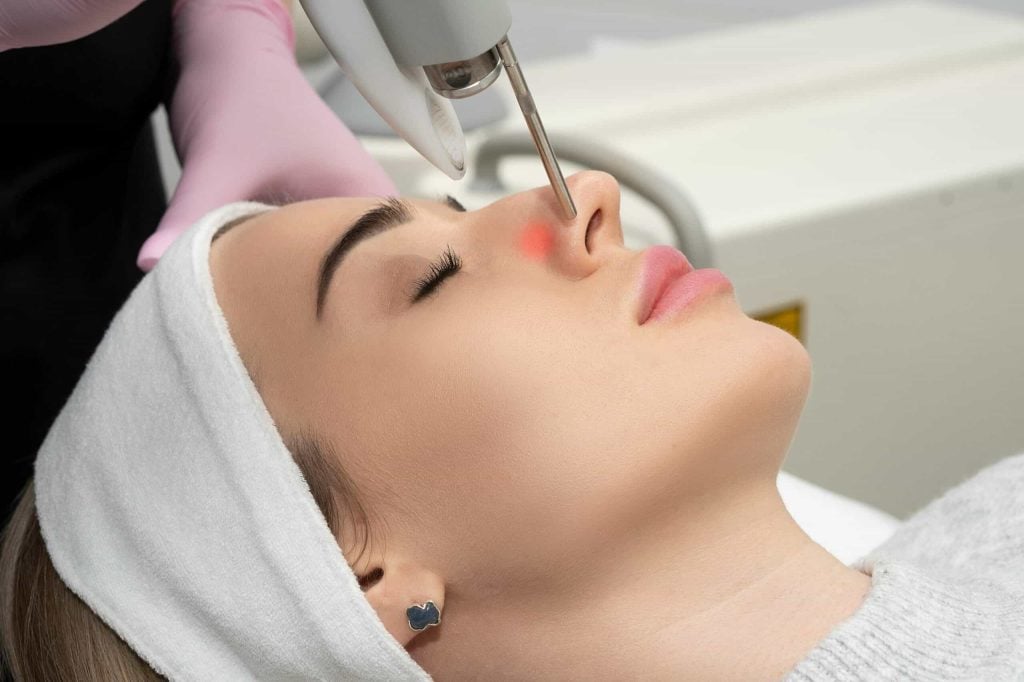
Types of Fotona Lasers
Er:YAG Laser
Er:YAG lasers are ideal for skin resurfacing and ablative treatments. They offer precision targeting of superficial and deeper layers of the skin, providing excellent control for treating wrinkles, scars, and skin laxity.
Nd:YAG Laser
Nd:YAG lasers excel in reaching deeper skin layers, making them suitable for hair removal, vascular treatments, and non-ablative skin rejuvenation. They are also effective in treating acne, leg veins, and onychomycosis.
Applications of Fotona Lasers
Fotona lasers are versatile, catering to both aesthetic and medical fields. Their capabilities extend to skin rejuvenation, acne treatment, snoring reduction, and even oral surgery.
Benefits of Fotona Laser Treatments
Advantages Over Traditional Treatments
Fotona laser treatments are less invasive, offering minimal downtime compared to traditional surgery. They reduce the risk of scarring and infection, making them an attractive option for patients.
Faster Recovery Times
Thanks to the precision targeting of Fotona lasers, surrounding tissue remains unaffected during treatment. This results in quicker recovery times, allowing patients to return to their daily routines sooner.
Versatility for Various Skin Conditions
Fotona lasers can address a multitude of skin conditions, from fine lines and wrinkles to acne and hyperpigmentation. Their versatility makes them suitable for a broad patient demographic.
Common Procedures Using Fotona
Skin Rejuvenation
Fotona’s skin rejuvenation treatments aim to revitalize aging or damaged skin, giving it a smoother, more youthful appearance. The laser stimulates collagen production, helping improve skin tone and elasticity.
Hair Removal
The Nd:YAG laser’s deep penetration effectively targets hair follicles without damaging surrounding skin, offering a safe and efficient hair removal option.
Acne Treatment
Fotona’s acne treatment procedures reduce inflammation and destroy acne-causing bacteria, offering significant improvements in skin clarity.
Choosing the Right Fotona Clinic
Selecting the right clinic ensures you receive effective, safe treatments. Here are some key factors to consider.
Ensure the clinic’s practitioners have extensive experience with Fotona lasers. Their expertise can significantly impact treatment quality and results.
Patient reviews provide valuable insights into the clinic’s services. Look for consistent positive feedback and avoid clinics with a history of unresolved complaints.
Conclusion
Fotona has positioned itself at the forefront of laser technology, offering advanced treatments with minimal downtime. Whether you’re seeking aesthetic enhancements or medical solutions, Fotona lasers provide precision, safety, and excellent results. By understanding the different types of Fotona lasers and finding the right clinic, you can make informed decisions and embark on your journey toward better health and well-being.
Choose ID Cosmetic Clinic
- Dr. Xu Dan, chief physician at ID Aesthetic Medicine, possesses a Canadian Medical Doctorate.
- In-depth knowledge of North American aesthetics and Asian facial intricacies.
- By integrating Eastern and Western aesthetics, she expertly crafts ideal facial features for Asians.
- She boasts over 80,000 treatment areas.
- Dr. Xu has innovated a technique using injections for eye and face lifts, targeting the Asian facial profile.
- Tailored solutions for your skin, emphasizing the medical core of aesthetic medicine.
- As an experienced Chinese doctor, she personally conducts procedures.
- Bilingual consultations are available on-site, ensuring safe treatments.
- Free consultation appointments are offered.
Frequently Asked Questions
Frequently Asked Questions
How much does Fotona laser treatment cost in Toronto or Markham?
How does Fotona laser technology actually work on skin?
Does Fotona laser treatment hurt, and is there downtime?
How long do Fotona laser results last?
How soon will I see results after a Fotona laser session?
How many Fotona sessions do I need, and how often?
Is Fotona laser approved or cleared for use in Canada?
Can Fotona laser be combined with other cosmetic treatments like neurotoxin or filler?
Is Fotona laser safe, and what are the real risks or side effects?
What is the difference between Fotona laser and IPL (Intense Pulsed Light)?
Next Step
Ready to Take the First Step?
Laxity, wrinkles and facial sagging have different root causes — one physician-led consultation identifies the true problem layer before deciding which plan fits you best.
