
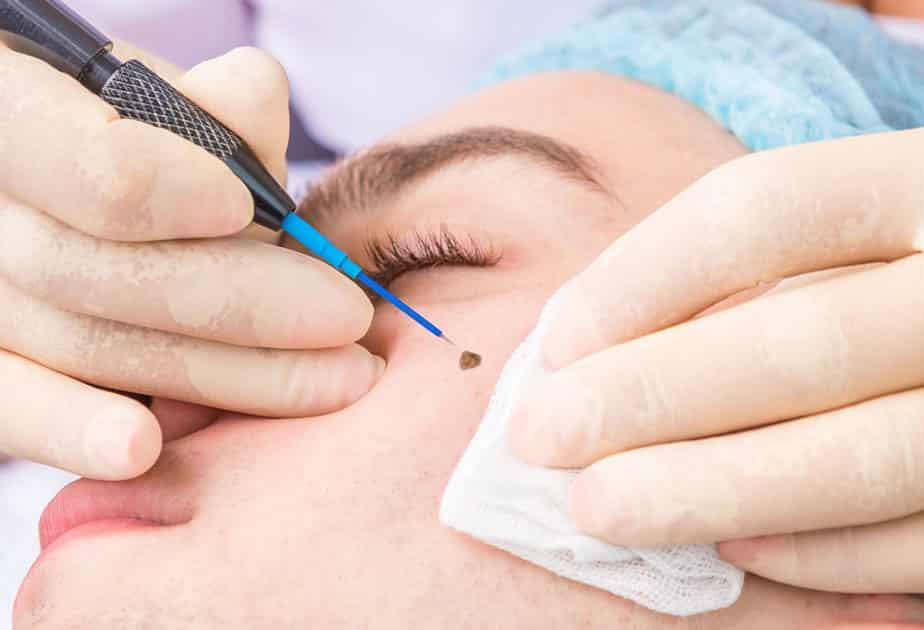
wart removal toronto
wart removal toronto
Introduction to Wart Removal
Warts are not only a common skin issue but also a source of discomfort and, for some, embarrassment. They can appear anywhere on the body, presenting as small, grainy skin growths. The purpose of this guide is to navigate through the maze of wart removal, offering insights into both professional and at-home treatments.
Understanding Warts
Types of Warts
There are several types of warts, each with its unique characteristics. Common warts typically appear on the hands, while plantar warts affect the feet’s soles. Flat warts, on the other hand, can appear on the face and legs, often in large numbers.
Causes of Warts
Warts are caused by the human papillomavirus (HPV), which infects the top layer of the skin. The virus is contagious and can spread through direct contact or through contact with surfaces touched by an infected person.

Professional Wart Removal
-
Cryotherapy:
- Involves applying liquid nitrogen to freeze and kill wart tissue.
- Causes a blister to form under the wart, leading to the wart falling off within one to two weeks.
- May require multiple sessions and can cause mild to moderate discomfort.
-
Laser Treatment:
- Uses a concentrated beam of light to burn and destroy wart tissue.
- Effective for hard-to-reach warts or those resistant to other treatments.
- More expensive, requires local anesthesia, and involves a recovery period with potential pain and swelling.
-
Cantharidin Treatment:
- Applies a chemical that causes the skin under the wart to blister.
- The blister lifts the wart off the skin, allowing it to be clipped away after drying up.
- Painless application, but the blistering process can be uncomfortable.
-
Electrosurgery and Curettage:
- Combines burning the wart with an electric current and scraping it off with a sharp instrument.
- Typically used for larger warts or those unresponsive to other treatments.
- Requires local anesthesia and may lead to scarring.
-
Immunotherapy:
- Engages the body’s immune system to attack the wart virus.
- Methods include applying a chemical to the wart to stimulate an immune response or injecting antigens directly into the wart.
- Considered for persistent warts and offers minimal side effects.
At-Home Wart Removal
Salicylic Acid
Available in patches, gels, and liquids, salicylic acid is a common over-the-counter treatment that gradually peels away the infected skin.
Home Remedies
While less effective, home remedies such as tea tree oil, banana peels, and apple cider vinegar are popular for their natural approach to wart removal.
Precautions and Care
Before Treatment
It’s crucial to correctly identify the growth as a wart. Using wart treatments on other types of skin growths can be harmful.
After Treatment
Follow-up care is essential to prevent infection and ensure proper healing. This includes keeping the area clean and avoiding picking at the site.
Conclusion
Wart removal is a journey that requires patience and care. Whether opting for professional treatments or at-home remedies, understanding your options is the first step towards clear skin.
Choose ID Cosmetic Clinic
- Dr. Xu Dan, chief physician at ID Aesthetic Medicine, possesses a Canadian Medical Doctorate.
- In-depth knowledge of North American aesthetics and Asian facial intricacies.
- By integrating Eastern and Western aesthetics, she expertly crafts ideal facial features for Asians.
- She boasts over 80,000 successful cases.
- Dr. Xu has innovated a technique using injections for eye and face lifts, targeting the Asian facial profile.
- Tailored solutions for your skin, emphasizing the medical core of aesthetic medicine.
- As an experienced Chinese doctor, she personally conducts procedures.
- Bilingual consultations are available on-site, ensuring safe treatments.
- Free consultation appointments are offered.