Looking for Titanium Lifting FAQs ? Discover how the treatment works, its skin benefits and what to expect from your face lifting session.
What is Titanium Lifting?
Titanium Lifting, also known as Soprano Titanium Lifting, is a non-invasive cosmetic procedure that uses laser technology to tighten and lift the skin, promoting a more youthful appearance.
Unlike traditional thread lifts, Botox, or fillers, Titanium Lifting works through a completely different mechanism and can be applied to various areas including the face, neck, décolletage, arms, and abdomen, making it incredibly versatile. Many patients prefer this treatment for its natural lifting effect combined with collagen stimulation that improves skin elasticity over time.
In this comprehensive guide, we’ll explore the principles, benefits, procedure process, potential side effects, and real-life cases of Titanium Lifting from a professional perspective.
How Does Titanium Lifting Work?
The Science Behind Titanium Lifting
Titanium Lifting is based on High-Intensity Focused Ultrasound (HIFU) technology enhanced with specialized titanium tips. The ultrasound energy passes through the skin surface to reach the dermis and SMAS (Superficial Muscular Aponeurotic System) layers, where it converts to thermal energy.
The key mechanisms of action include:
-
Thermal Energy Delivery: Ultrasound generates temperatures of 65-75°C in the deep skin layers
-
Tissue Contraction: Heat energy causes immediate collagen fiber contraction
-
Collagen Regeneration: Thermal stimulation promotes new collagen production in treated areas
-
SMAS Layer Tightening: Direct effect on the facial muscular aponeurotic system creates a lifting effect
The main difference between conventional HIFU treatments and Titanium Lifting is that the specialized titanium tips deliver energy more effectively and allow for more uniform heat distribution. This enhances both the efficacy and safety of the procedure.
How Does Titanium Lifting Compare to Standard HIFU?
Titanium Lifting particularly leverages titanium’s thermal conductivity and stability for more precise treatment, reducing pain while maximizing results. Currently, various brands like Alma, Ultherapy, and Doublo offer Titanium Lifting equipment in the aesthetic medicine market.
What Are the Benefits of Titanium Lifting?
Titanium Lifting offers various anti-aging benefits. Here are the main advantages:
What are the immediate and long-term improvements?
The effects of Titanium Lifting can be categorized into immediate and long-term benefits.
Immediate Effects:
- Instant lifting due to collagen fiber contraction
- Improved facial contours
- Increased skin elasticity
- Reduced pore size
Long-term Effects (Maximum at 2-3 months):
- Strengthened skin structure due to new collagen generation
- Reduction of wrinkles (especially around eyes, between brows, and nasolabial folds)
- Improved skin tone and texture
- Enhanced skin elasticity and volume
The most notable aspect is that Titanium Lifting results improve over time. While you can see lifting effects immediately after treatment, the collagen regeneration process continues for 2-3 months, gradually improving skin condition. Research suggests that collagen density can increase by up to 30% six months after treatment.
Watch the video and see how our Dr think about Titanium Lifting:
For more videos, please visit our Youtube Channel: https://www.youtube.com/@IDCosmeticClinic
What skin concerns can Titanium Lifting address?
Titanium Lifting can address numerous skin concerns:
- Sagging skin and wrinkles: Especially effective for 30-40 year-olds experiencing early gravitational sagging
- Jawline definition: Improves undefined jawlines and double chins
- Eye and forehead wrinkles: Reduces crow’s feet and forehead lines
- Nasolabial folds: Improves deepened smile lines
- Neck wrinkles: Addresses horizontal neck lines
- Enlarged pores: Reduces pore size
- Overall skin tone and texture: Improves general skin quality
Titanium Lifting is most effective for early to moderate signs of skin aging in 40-50 year-olds. For severe skin laxity or deep wrinkles, the effects may be limited, and combining withthread lifting or surgical methods might be recommended.
The Titanium Lifting Procedure Process
How should I prepare for Titanium Lifting?
Proper preparation before Titanium Lifting affects both results and safety. Consider these guidelines:
One week before treatment:
- Discontinue medications that interfere with blood circulation (aspirin, ibuprofen, etc.)
- Limit alcohol consumption
- Stop using irritating skincare products like retinol
Day of treatment:
- Arrive without makeup
- Ensure adequate hydration
- Wear comfortable clothing
Important points to mention during consultation:
- Any allergies or sensitive skin conditions
- Current medications
- Previous skin treatments and reactions
- Recent sun exposure
- Pregnancy or breastfeeding status
Consulting with your doctor to develop a treatment plan tailored to your skin condition and expectations is crucial. Additionally, increasing water intake and starting calming skin care beforehand can help maximize treatment effects.
What happens during a Titanium Lifting session?
The Titanium Lifting procedure is relatively straightforward and typically follows this sequence:
- Skin Cleansing: Complete removal of makeup and sebum
- Numbing Cream Application: If needed, topical anesthetic cream is applied (takes about 30 minutes to work)
- Marking Treatment Areas: The doctor marks the exact treatment areas
- Equipment Setup: Energy levels and depths are configured based on skin condition and goals
- Ultrasound Energy Delivery: Precise delivery of ultrasound energy through titanium tips
- Cooling and Soothing: Application of cooling mask or gel to soothe the skin afterward
The entire procedure takes approximately 30-60 minutes for a full face, depending on the treatment area. You may feel a tingling sensation or heat during the procedure, but most patients find it tolerable.
One of the advantages of Titanium Lifting is that it requires virtually no downtime. Most patients can return to daily activities immediately after treatment, and any minor redness or swelling typically subsides within a few hours.
How frequently should you get Titanium Lifting?
The duration of effects and recommended treatment frequency for Titanium Lifting are as follows:
- Duration of effects: Average 12-18 months
- Initial recommendation for optimal results: A follow-up session 3-6 months after the first treatment
- Maintenance: Annual or bi-annual treatments to maintain continuous effects
Individual variations exist, and age, skin condition, and lifestyle habits (smoking, sun exposure) can affect how long results last. Particularly for those over 50 whose collagen production ability has decreased, more frequent treatments may be recommended.
Consulting with your doctor to establish a personalized treatment plan is important for optimal results. Additionally, using sunscreen, maintaining adequate hydration, and following healthy dietary habits should accompany treatments to maximize and prolong effects.
Real Patient Experiences with Titanium Lifting
Does Titanium Lifting actually work?
Looking at actual cases of people who have experienced Titanium Lifting, the reviews are generally positive. Satisfaction is particularly high among those in their 30s-50s with moderate skin laxity and wrinkles.
Case of a 40-year-old woman:
“I was concerned about my undefined jawline and deepening nasolabial folds. About a month after one Titanium Lifting session, I definitely felt my skin became firmer. Particularly, my nasolabial folds visibly improved, and people often commented that my skin looked better. The pain wasn’t as severe as I expected, and there was almost no downtime, which was satisfying.”
Case of a 35-year-old man:
“As a man, I was hesitant to invest in skin treatments, but I decided to get the procedure due to concerns about my double chin and sagging jawline. About two months after the treatment, my jawline became more defined, and my face appeared smaller. I especially appreciated that these effects were achievable without surgery.”
Case of a 52-year-old woman:
“I was concerned about eye wrinkles and sagging cheeks. I received Titanium Lifting twice at 3-month intervals, and my skin elasticity definitely improved. Particularly, my eye area felt noticeably lifted, and my cheeks became firmer. However, deep nasolabial folds didn’t improve significantly, so I combined it with fillers.”
Individual differences exist, and especially for severe skin laxity or deep wrinkles, combining with other treatments often yields more satisfying results than Titanium Lifting alone.
What do clinical studies show?
The effectiveness of Titanium Lifting has been verified through various clinical studies:
- According to research published in the Journal of Dermatological Science in 2022, skin elasticity improved by an average of 23% three months after HIFU treatment using titanium tips.
- A study published in the International Journal of Aesthetic Medicine confirmed an increase in collagen density of up to 30% six months after Titanium Lifting.
- Research published in 2023 showed that Titanium Lifting reduced pain by 20% while providing 15% better results compared to conventional HIFU treatments.
These research findings demonstrate that Titanium Lifting is scientifically validated treatment rather than just a trend. However, like all procedures, individual differences exist, and identical results cannot be guaranteed for everyone.
Titanium Lifting Before and After

Potential Side Effects and Precautions
What side effects might occur?
While Titanium Lifting is relatively safe, some side effects may occur as with any medical procedure:
Common side effects (mostly temporary):
- Redness: Occurs immediately after treatment and usually disappears within a few hours
- Swelling: Mild swelling may persist for 1-2 days
- Tingling/Heating sensation: Occurs during and immediately after treatment and subsides quickly
- Temporary numbness: Sensation in the treated area may be temporarily dulled
Rare side effects:
- Bruising: May occur in areas with weak blood vessels
- Burns: Possible due to incorrect energy settings or procedure methods
- Uneven lifting: May occur if energy is not delivered uniformly
- Nerve damage: Very rarely, temporary nerve stimulation symptoms may appear
It’s important to note that most side effects are temporary, and the risk of serious side effects is very low when treated by an experienced doctor.
Who should avoid Titanium Lifting?
Titanium Lifting is not recommended for:
- Pregnant or breastfeeding women
- Those with skin infections or open wounds
- People with severe active acne
- Those with keloid tendencies or abnormal scar formation
- Individuals with autoimmune diseases (lupus, scleroderma, etc.)
- Those with a history of skin cancer
- People with pacemakers or metal implants near the treatment area
- Those who received filler treatments in the same area within the past 6 months
Additionally, extremely sagging skin or excessive skin laxity may not respond adequately to Titanium Lifting alone. In such cases, consulting with a doctor about surgical methods or combining with other procedures may be considered.
How Does Titanium Lifting Compare to Other Anti-Aging Treatments?
Thread Lifting, Thermage, and Ultherapy: What’s the difference?
Let’s compare the differences between popular non-surgical lifting procedures:
Treatment Type Mechanism Duration of Effects Advantages Disadvantages Titanium Lifting Titanium Tip + HIFU 12-18 months Uniform energy delivery, less pain, virtually no downtime Limited effect on severe sagging Thread Lifting Insertion of biodegradable threads 12-24 months Immediate lifting effect, good contour improvement Potential swelling and bruising, possibility of foreign body sensation Thermage Radiofrequency (RF) energy 6-12 months Excellent collagen production effect, texture improvement Relatively severe pain, gradual results Ultherapy Standard HIFU 9-15 months Acts on deep layers, strong lifting effect Considerable pain, relatively expensive Titanium Lifting occupies a middle ground with less pain and fewer side effects while delivering excellent results. It offers reduced pain and more uniform energy delivery compared to other HIFU-based treatments.
Which treatment should I choose?
The appropriate treatment varies depending on individual skin condition and goals:
- Mild sagging and preventive purposes: Titanium Lifting, Thermage
- Moderate sagging, contour improvement needed: Combined Titanium Lifting + Thread Lifting
- Severe sagging, strong lifting effect needed: Ultherapy or surgical options
- Focus on skin texture, pores, elasticity: Combined Titanium Lifting + Laser treatments
The most effective approach is customized combination treatment tailored to individual skin condition and goals rather than relying on a single procedure. Consulting with a specialist to find the most suitable treatment combination for you is essential.
Titanium Lifting Aftercare
How should I prepare before treatment?
Here are preparation guidelines to maximize effects and minimize side effects of Titanium Lifting:
Starting 2 weeks before:
- Discontinue irritating skincare products containing retinol, AHA, BHA
- Avoid excessive sun exposure (sunburn is grounds for postponing treatment)
- Begin adequate hydration (more than 2 liters daily)
Starting 1 week before:
- Discontinue medications affecting blood circulation (consult your doctor first)
- Reduce alcohol and caffeine consumption
- Stop smoking (smoking interferes with collagen production and delays recovery)
On treatment day:
- Come without makeup
- Ensure adequate hydration
- Wear comfortable, wide-necked clothing (to minimize contact with the treated area)
How should I care for my skin after treatment for long-lasting results?
Proper aftercare following Titanium Lifting is crucial for maximizing effects and extending duration:
Immediately after (1-3 days):
- Avoid irritating the treated area (no rubbing or scratching)
- Use cold compresses to alleviate swelling or heat (wrap ice in a towel rather than applying directly)
- Use gentle skincare products with soothing effects
- Avoid hot showers, saunas, or steam rooms
- Refrain from intense exercise
Recovery period (1-2 weeks):
- Apply sunscreen diligently (SPF 50+ recommended)
- Maintain adequate hydration
- Follow a skincare routine focused on moisturizing
- Consume nutrients that support collagen production (vitamin C, protein, etc.)
Long-term care (ongoing):
- Regular skin care (proper cleansing and moisturizing)
- Use skincare products rich in antioxidants
- Maintain healthy eating habits (fresh fruits, vegetables, omega-3 fatty acids)
- Get sufficient sleep (skin regeneration primarily occurs during sleep)
- Avoid smoking and excessive alcohol consumption
- Daily use of sunscreen (the most important anti-aging habit)
Additional tip: Using vitamin C serum or peptide-containing products after treatment can help promote collagen production. Additionally, maintenance treatments at 3-6 month intervals are effective for long-term results.
Titanium Lifting FAQs
How painful is the Titanium Lifting procedure?
Pain during Titanium Lifting varies depending on individual pain threshold and treatment area. Most patients report tingling and momentary heat sensation, but not unbearable pain.
Topical anesthetic cream is often applied before treatment to reduce pain, and titanium tips are known to reduce pain by approximately 20-30% compared to conventional HIFU procedures. If you’re very sensitive to pain, it’s advisable to discuss appropriate pain management methods with your doctor beforehand.
When actual patients rated pain on a scale of 10, the average score was 3-5, indicating a relatively tolerable level.
How many sessions are needed for noticeable results?
The effects of Titanium Lifting vary depending on individual skin condition, age, and lifestyle habits. Generally:
- Mild aging symptoms (early-mid 30s): Noticeable effects possible with one session
- Moderate skin sagging (40s): Two sessions recommended at 3-6 month intervals
- Advanced skin aging (50s and above): 2-3 sessions at 3-4 month intervals are effective
An important point is that the collagen regeneration process continues for 2-3 months after treatment, so final results may improve over time rather than immediately after treatment. Therefore, it’s advisable to observe effects for at least 2-3 months after one session before deciding on additional treatments.
Can Titanium Lifting be performed on areas other than the face?
Yes, Titanium Lifting can be applied to various body areas besides the face:
- Neck: Improvement of neck wrinkles and sagging skin
- Décolletage (upper chest): Wrinkle improvement and increased elasticity
- Inner arms: Improved elasticity of sagging skin
- Abdomen: Improvement of skin laxity after childbirth
- Above knees: Improvement of skin sagging
- Back of hands: Improvement of aging hand skin
However, appropriate energy levels and depths differ by body area, so it’s important to be treated by a doctor experienced with the specific body area. Also, body areas have different collagen density and skin thickness compared to the face, so treatment results and recovery processes may vary.
Who is Titanium Lifting Best Suited For?
Titanium Lifting doesn’t show the same effects for everyone. It’s particularly suitable for:
Recommended for:
- People in their 30s-50s with early to moderate signs of skin aging
- Those who want noticeable lifting effects but don’t want surgical methods
- People looking for treatments with virtually no downtime
- Those seeking natural results (without an overly pulled appearance)
- Those interested in preventive anti-aging
- People wanting to maintain or enhance effects of previous lifting procedures
- Those desiring overall skin improvement as part of combination treatments
The best candidates are those in their 30s-40s with mild to moderate skin sagging. This age group still has sufficient collagen regeneration ability, resulting in pronounced self-collagen production effects after treatment.
Consider alternative treatments if:
- You have severe skin sagging (consider surgical facelift)
- You have very thin skin or severely sun-damaged skin
- You want immediate and dramatic changes (consider thread lifting or surgical methods)
- You are pregnant or breastfeeding
- You have active skin conditions
- You are prone to keloids or excessive scar formation
Titanium Lifting Selection Checklist
If you’re considering Titanium Lifting, refer to this checklist to make your decision:
- Confirm the procedure is suitable for your skin condition and age
- Verify the cost is within your budget
- Choose a verified medical facility and experienced doctor
- Clearly understand expected effects and limitations during pre-treatment consultation
- Understand pre- and post-treatment care methods
- Understand potential side effects
- Discuss possibility of combining with other treatments if needed
- Establish a long-term management plan for maintaining results
The Future of Titanium Lifting
Titanium Lifting technology continues to evolve, with several notable trends:
- AI-based personalized treatments: AI technology optimizing energy delivery patterns based on individual skin condition and facial structure
- Combined energy systems: Hybrid systems combining HIFU and RF (radiofrequency) to simultaneously act on various skin layers
- Micro-targeting technology: More precise energy delivery to maximize effects while minimizing side effects
- Home care maintenance systems: Development of home devices to maintain professional treatment effects
These advancements are expected to further improve the efficacy and safety of Titanium Lifting, making it applicable to a wider age range and skin types.
Conclusion: Advice for Making an Informed Choice About Titanium Lifting
Titanium Lifting offers an excellent balance of efficacy and safety among non-surgical anti-aging treatments. For an informed decision, remember these points:
- Set realistic expectations: Titanium Lifting doesn’t bring dramatic changes like surgical methods. Expect natural improvements.
- Importance of specialist selection: The practitioner’s experience and skill impact results more than equipment.
- Combined approach: Consider it as part of a comprehensive anti-aging plan rather than a single solution.
- Consistent care: Daily maintenance and regular upkeep treatments are crucial for sustaining results.
- Use reliable information sources: Obtain treatment information through verified medical sources or experts.
Titanium Lifting yields high satisfaction when applied to appropriate candidates. Make your optimal choice through thorough consultation with experts based on your skin condition and goals.
Book a Consultation
We hope this guide has been helpful for those interested in Titanium Lifting. If you have more questions regards to Titanium Lifting FAQs , please feel free to contact us:
📍 Toronto ID Cosmetic Clinic: Unit 113-115-116-117, 30 Gibson Dr. Markham, ON L3R 2S3
📞 Book by phone | Free consultation: (905)-477-2225
Related Articles
Alma Titanium Lifting: High-End Tri‑Wavelength Laser Face Lift in Toronto
Achieve Youthful Skin: Microneedling
InMode Forma: A Natural Way to Firm and Rejuvenate Your Skin Without Surgery
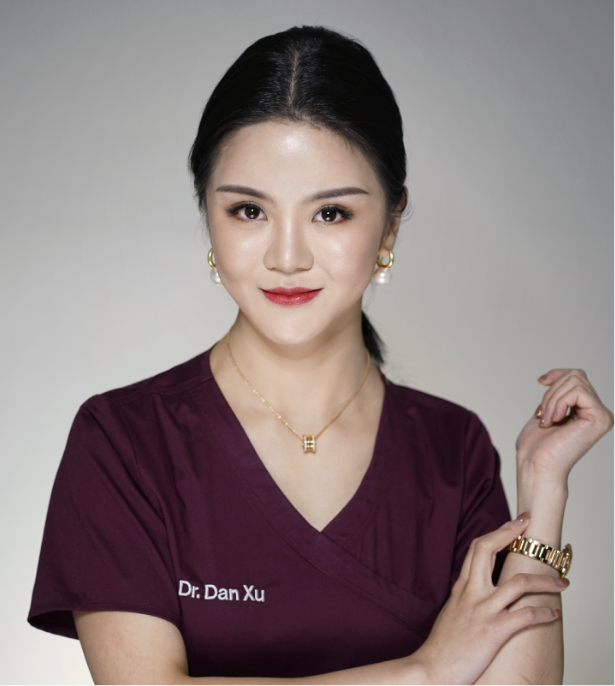
About Dr.Xu
- Dr. Xu Dan, chief physician at ID Aesthetic Medicine, possesses a Canadian Medical Doctorate.
- In-depth knowledge of North American aesthetics and Asian facial intricacies.
- By integrating Eastern and Western aesthetics, she expertly crafts ideal facial features for Asians.
- She boasts over 80,000 successful cases.
- Dr. Xu has innovated a technique using injections for eye and face lifts, targeting the Asian facial profile.
- Tailored solutions for your skin, emphasizing the medical core of aesthetic medicine.
- As an experienced Chinese doctor, she personally conducts procedures.
- Bilingual consultations are available on-site, ensuring safe treatments.
- Free consultation appointments are offered.